Buy swimproject.eu ?
We are moving the project
swimproject.eu .
Are you interested in purchasing the domain
swimproject.eu ?
domain@kv-gmbh.de · 0541-91531010
Buy swimproject.eu ?
What does the autonomic nervous system do?
The autonomic nervous system controls involuntary bodily functions such as heart rate, digestion, respiratory rate, and blood pressure. It regulates these functions to maintain homeostasis and respond to changes in the internal and external environment. The autonomic nervous system has two main divisions - the sympathetic and parasympathetic nervous systems, which work together to balance and coordinate the body's physiological processes. Overall, the autonomic nervous system plays a crucial role in ensuring the body functions properly without conscious effort. **
How does the autonomic nervous system work?
The autonomic nervous system controls involuntary bodily functions such as heart rate, digestion, and breathing. It is divided into two branches: the sympathetic nervous system, which activates the body's fight-or-flight response in times of stress, and the parasympathetic nervous system, which promotes relaxation and rest. These two branches work in opposition to maintain homeostasis in the body. The autonomic nervous system operates largely unconsciously, responding to signals from the brain and sensory organs to regulate various bodily functions. **


Similar search terms for Autonomic
Top-Angebote
Products related to Autonomic:
-
USA Free Shipping Shop Portable Electric Air Pump For Camping Air Mattresses And Pool Floats orangeFeel ready for every adventure with a compact pump that makes inflating and deflating effortless. This Portable air pump is designed for campers, travelers, beachgoers, and families who want a fast, hasslefree setup for air beds, sleeping pads,...229,97 $*Shipping: 0,00 $Secure redirect to the provider
-
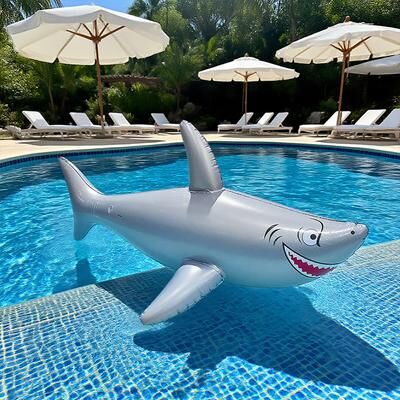
Smart Shopping Spot Shark Toy Pool Party Decoration Beach Float Shark Toy Pool Party Decoration Beach FloatMake a splash at your next celebration with this eyecatching inflatable 1pc shark toy that instantly transforms any pool or beach setup into an unforgettable scene. Designed for party lovers, kids, and oceanthemed events, this playful yet realistic...34,97 $*Shipping: 0,00 $Secure redirect to the provider
-
Multisell Products Hub Luxury Beach Outings Belted Swimwear Cape Sea Boho Coverup Long bird one SizeElegant and Comfortable Beach Coverup: Introducing the Sea Boho Coverup Long Luxury Beach outing cape, designed to make you stand out on your next beach vacation. This stunning coverup combines comfort with style, offering a versatile option for...79,97 $*Shipping: 0,00 $Secure redirect to the provider



-
What is the difference between dermatomes and autonomic regions?
Dermatomes are specific areas of skin supplied by a single spinal nerve, while autonomic regions are areas of the body that are innervated by the autonomic nervous system. Dermatomes are responsible for sensory perception, such as touch and temperature, while autonomic regions control involuntary functions like heart rate, digestion, and respiratory rate. Additionally, dermatomes are related to somatic sensation, while autonomic regions are related to visceral functions. **
-
Why are there no diving goggles in the swimming pool?
Diving goggles are not allowed in the swimming pool because they are designed for use in deep water and can obstruct peripheral vision, increasing the risk of collisions with other swimmers. Additionally, diving goggles are not necessary for swimming laps or recreational swimming in a pool with clear water. The use of diving goggles in a swimming pool can also create a safety hazard if the wearer dives into shallow water thinking it is deeper than it actually is. **
-
How do I solve the task Biology: Autonomic Nervous System - Parasympathetic?
To solve the task "Biology: Autonomic Nervous System - Parasympathetic," you should first understand the basics of the autonomic nervous system, including its two main divisions - the sympathetic and parasympathetic nervous systems. Focus on the functions and effects of the parasympathetic nervous system, such as its role in rest and digest activities. Additionally, familiarize yourself with the neurotransmitters involved in the parasympathetic system, like acetylcholine. Finally, practice applying this knowledge to different scenarios or questions related to the parasympathetic nervous system to solidify your understanding. **
-
What is the difference between the peripheral and the autonomic nervous system?
The peripheral nervous system consists of all the nerves outside of the brain and spinal cord, including sensory and motor nerves. It is responsible for transmitting information between the central nervous system and the rest of the body. The autonomic nervous system is a division of the peripheral nervous system that controls involuntary bodily functions, such as heart rate, digestion, and respiratory rate. While the peripheral nervous system includes both voluntary and involuntary nerves, the autonomic nervous system specifically regulates involuntary actions. **

What does it mean when the autonomic nervous system is out of balance?
When the autonomic nervous system is out of balance, it means that there is an imbalance between the sympathetic and parasympathetic branches of the system. This can lead to symptoms such as increased heart rate, high blood pressure, digestive issues, anxiety, or difficulty sleeping. An out-of-balance autonomic nervous system can result from chronic stress, trauma, or certain medical conditions, and it can impact overall health and well-being. It is important to address this imbalance through relaxation techniques, lifestyle changes, and sometimes medical interventions to restore harmony to the autonomic nervous system. **
Why is the autonomic nervous system also referred to as a separate nervous system?
The autonomic nervous system is referred to as a separate nervous system because it functions independently from the somatic nervous system, which controls voluntary movements. The autonomic nervous system regulates involuntary bodily functions such as heart rate, digestion, and respiratory rate. It is responsible for maintaining homeostasis and responding to internal and external stimuli without conscious effort. This separation allows the autonomic nervous system to carry out its functions without direct control from the conscious mind. **
Top-Angebote
Products related to Autonomic:
-
Shop Station Kids Underwater Treasure Hunt Pool Diving Toys Set With Fish, Dolphin & Diving Gems Kids Underwater Treasure Hunt Pool Diving Toys Set With Fish, Dolphin & Diving GemsExperience exciting underwater adventures with this colorful pool diving toys set designed to make every swim more fun. Featuring fish, dolphin, and sparkling diving gems, it's perfect for children who love games, challenges, and imaginative play in...34,97 $*Shipping: 0,00 $Secure redirect to the provider
-
Shop Station Adjustable Water Aerobics Cuffs Aquatic Fitness Cuffs & Swim Ankle Floats For Pool Exercise Adjustable Water Aerobics Cuffs Aquatic Fitness Cuffs & Swim Ankle Floats For Pool ExerciseMake every pool workout more effective while staying comfortable and supported. These water aerobics cuffs are designed for swimmers, fitness enthusiasts, and rehabilitation users who want to add gentle resistance and buoyancy to their aquatic...44,97 $*Shipping: 0,00 $Secure redirect to the provider
-
USA Free Shipping Shop Portable Electric Air Pump For Camping Air Mattresses And Pool Floats orangeFeel ready for every adventure with a compact pump that makes inflating and deflating effortless. This Portable air pump is designed for campers, travelers, beachgoers, and families who want a fast, hasslefree setup for air beds, sleeping pads,...229,97 $*Shipping: 0,00 $Secure redirect to the provider
-
Smart Shopping Spot Shark Toy Pool Party Decoration Beach Float Shark Toy Pool Party Decoration Beach FloatMake a splash at your next celebration with this eyecatching inflatable 1pc shark toy that instantly transforms any pool or beach setup into an unforgettable scene. Designed for party lovers, kids, and oceanthemed events, this playful yet realistic...34,97 $*Shipping: 0,00 $Secure redirect to the provider
-
What does the autonomic nervous system do?
The autonomic nervous system controls involuntary bodily functions such as heart rate, digestion, respiratory rate, and blood pressure. It regulates these functions to maintain homeostasis and respond to changes in the internal and external environment. The autonomic nervous system has two main divisions - the sympathetic and parasympathetic nervous systems, which work together to balance and coordinate the body's physiological processes. Overall, the autonomic nervous system plays a crucial role in ensuring the body functions properly without conscious effort. **
-
How does the autonomic nervous system work?
The autonomic nervous system controls involuntary bodily functions such as heart rate, digestion, and breathing. It is divided into two branches: the sympathetic nervous system, which activates the body's fight-or-flight response in times of stress, and the parasympathetic nervous system, which promotes relaxation and rest. These two branches work in opposition to maintain homeostasis in the body. The autonomic nervous system operates largely unconsciously, responding to signals from the brain and sensory organs to regulate various bodily functions. **
-
What is the difference between dermatomes and autonomic regions?
Dermatomes are specific areas of skin supplied by a single spinal nerve, while autonomic regions are areas of the body that are innervated by the autonomic nervous system. Dermatomes are responsible for sensory perception, such as touch and temperature, while autonomic regions control involuntary functions like heart rate, digestion, and respiratory rate. Additionally, dermatomes are related to somatic sensation, while autonomic regions are related to visceral functions. **
-
Why are there no diving goggles in the swimming pool?
Diving goggles are not allowed in the swimming pool because they are designed for use in deep water and can obstruct peripheral vision, increasing the risk of collisions with other swimmers. Additionally, diving goggles are not necessary for swimming laps or recreational swimming in a pool with clear water. The use of diving goggles in a swimming pool can also create a safety hazard if the wearer dives into shallow water thinking it is deeper than it actually is. **
Similar search terms for Autonomic
-
Multisell Products Hub Luxury Beach Outings Belted Swimwear Cape Sea Boho Coverup Long bird one SizeElegant and Comfortable Beach Coverup: Introducing the Sea Boho Coverup Long Luxury Beach outing cape, designed to make you stand out on your next beach vacation. This stunning coverup combines comfort with style, offering a versatile option for...79,97 $*Shipping: 0,00 $Secure redirect to the provider
-
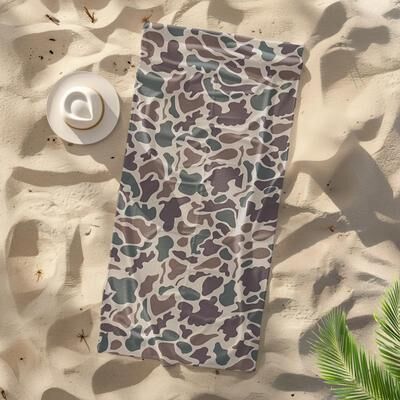
JML Camouflage beach towel,Quick Dry, Lightweight & Compact beach towel for Pool, Yoga and Camping"Material: Microfiber Size:30"" x 60"" Features: Prime Quality Material -- The beach towel is made of microfiber. Soft, lightweight, breathable, highly water absorbent, non-pilling, lint-free and not easy to fade. Perfect Decoration -- 30 x 60 Inch."28,99 $*Shipping: 0,00 $Secure redirect to the provider
-
How do I solve the task Biology: Autonomic Nervous System - Parasympathetic?
To solve the task "Biology: Autonomic Nervous System - Parasympathetic," you should first understand the basics of the autonomic nervous system, including its two main divisions - the sympathetic and parasympathetic nervous systems. Focus on the functions and effects of the parasympathetic nervous system, such as its role in rest and digest activities. Additionally, familiarize yourself with the neurotransmitters involved in the parasympathetic system, like acetylcholine. Finally, practice applying this knowledge to different scenarios or questions related to the parasympathetic nervous system to solidify your understanding. **
-
What is the difference between the peripheral and the autonomic nervous system?
The peripheral nervous system consists of all the nerves outside of the brain and spinal cord, including sensory and motor nerves. It is responsible for transmitting information between the central nervous system and the rest of the body. The autonomic nervous system is a division of the peripheral nervous system that controls involuntary bodily functions, such as heart rate, digestion, and respiratory rate. While the peripheral nervous system includes both voluntary and involuntary nerves, the autonomic nervous system specifically regulates involuntary actions. **
-
What does it mean when the autonomic nervous system is out of balance?
When the autonomic nervous system is out of balance, it means that there is an imbalance between the sympathetic and parasympathetic branches of the system. This can lead to symptoms such as increased heart rate, high blood pressure, digestive issues, anxiety, or difficulty sleeping. An out-of-balance autonomic nervous system can result from chronic stress, trauma, or certain medical conditions, and it can impact overall health and well-being. It is important to address this imbalance through relaxation techniques, lifestyle changes, and sometimes medical interventions to restore harmony to the autonomic nervous system. **
-
Why is the autonomic nervous system also referred to as a separate nervous system?
The autonomic nervous system is referred to as a separate nervous system because it functions independently from the somatic nervous system, which controls voluntary movements. The autonomic nervous system regulates involuntary bodily functions such as heart rate, digestion, and respiratory rate. It is responsible for maintaining homeostasis and responding to internal and external stimuli without conscious effort. This separation allows the autonomic nervous system to carry out its functions without direct control from the conscious mind. **
* All prices are inclusive of VAT and, if applicable, plus shipping costs. The offer information is based on the details provided by the respective shop and is updated through automated processes. Real-time updates do not occur, so deviations can occur in individual cases. ** Note: Parts of this content were created by AI.