Buy swimproject.eu ?
We are moving the project
swimproject.eu .
Are you interested in purchasing the domain
swimproject.eu ?
domain@kv-gmbh.de · 0541-91531010
Buy swimproject.eu ?
What is the endosymbiont theory?
The endosymbiont theory proposes that eukaryotic cells, which make up plants, animals, fungi, and protists, evolved from a symbiotic relationship between different types of prokaryotic cells. Specifically, it suggests that mitochondria and chloroplasts within eukaryotic cells were once free-living bacteria that were engulfed by a larger host cell but instead of being digested, they formed a mutually beneficial relationship. This theory is supported by evidence such as the similarities between the DNA of mitochondria and chloroplasts with that of bacteria, as well as their ability to replicate independently within the cell. **
What evidence supports the endosymbiont theory?
Several pieces of evidence support the endosymbiont theory: 1. Mitochondria and chloroplasts have their own DNA, which is circular like bacterial DNA. This suggests that they were once free-living bacteria that were engulfed by a host cell. 2. Mitochondria and chloroplasts have their own ribosomes, which are similar to bacterial ribosomes. This indicates that they are capable of protein synthesis independently of the host cell. 3. Mitochondria and chloroplasts reproduce independently of the host cell through a process similar to bacterial binary fission. 4. The inner membranes of mitochondria and chloroplasts contain enzymes and transport systems that are similar to those found in bacteria. 5. Some protists have structures called hydrogenosomes and mitosomes, which are thought to be degenerate forms of mitochondria. This supports the idea that mitochondria evolved from free-living bacteria. Overall, these pieces of evidence provide strong support for the endosymbiont theory, which suggests that mitochondria and chloroplasts were once free-living bacteria that were engulfed by a host cell and eventually evolved into organelles. **


Similar search terms for Endosymbiont
Top-Angebote
Products related to Endosymbiont:
-
USA Free Shipping Shop Portable Electric Air Pump For Camping Air Mattresses And Pool Floats orangeFeel ready for every adventure with a compact pump that makes inflating and deflating effortless. This Portable air pump is designed for campers, travelers, beachgoers, and families who want a fast, hasslefree setup for air beds, sleeping pads,...229,97 $*Shipping: 0,00 $Secure redirect to the provider
-
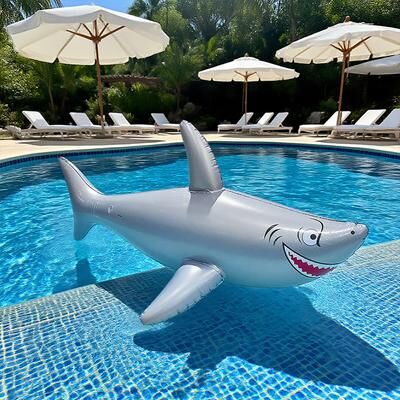
Smart Shopping Spot Shark Toy Pool Party Decoration Beach Float Shark Toy Pool Party Decoration Beach FloatMake a splash at your next celebration with this eyecatching inflatable 1pc shark toy that instantly transforms any pool or beach setup into an unforgettable scene. Designed for party lovers, kids, and oceanthemed events, this playful yet realistic...34,97 $*Shipping: 0,00 $Secure redirect to the provider
-
Multisell Products Hub Luxury Beach Outings Belted Swimwear Cape Sea Boho Coverup Long bird one SizeElegant and Comfortable Beach Coverup: Introducing the Sea Boho Coverup Long Luxury Beach outing cape, designed to make you stand out on your next beach vacation. This stunning coverup combines comfort with style, offering a versatile option for...79,97 $*Shipping: 0,00 $Secure redirect to the provider



-
Which data support the endosymbiont theory?
The endosymbiont theory is supported by several lines of evidence, including the similarities between mitochondria and chloroplasts and certain types of bacteria, the presence of their own DNA and ribosomes, and their ability to replicate independently within the host cell. Additionally, the phylogenetic analysis of mitochondrial and chloroplast DNA has shown that they are more closely related to certain groups of bacteria than to eukaryotic cells. Finally, the presence of double membranes in mitochondria and chloroplasts is consistent with the theory that they were once free-living bacteria that were engulfed by a host cell. **
-
What is meant by the endosymbiont theory?
The endosymbiont theory proposes that eukaryotic cells evolved from a symbiotic relationship between different types of prokaryotic cells. According to this theory, mitochondria and chloroplasts, which are organelles found in eukaryotic cells, were once free-living bacteria that were engulfed by a larger host cell. Over time, these bacteria formed a mutually beneficial relationship with the host cell, eventually becoming integrated into the cell and evolving into specialized organelles. This theory is supported by evidence such as the similarities between the DNA of mitochondria and chloroplasts and that of bacteria. **
-
Why is the endosymbiont theory spoken of?
The endosymbiont theory is spoken of because it provides a compelling explanation for the origin of eukaryotic cells. This theory suggests that eukaryotic cells evolved from a symbiotic relationship between different types of prokaryotic cells, with one cell engulfing another and forming a mutually beneficial partnership. This theory is important because it helps to explain the presence of organelles such as mitochondria and chloroplasts within eukaryotic cells, as well as the similarities between these organelles and certain types of bacteria. Overall, the endosymbiont theory has had a significant impact on our understanding of the evolution of complex life forms. **
-
How can the endosymbiont theory be proven?
The endosymbiont theory can be proven through a combination of evidence from molecular biology, genetics, and comparative genomics. One way to prove the theory is by comparing the genetic material of organelles like mitochondria and chloroplasts to that of free-living bacteria. If the genetic sequences are similar, it would support the idea that these organelles were once independent bacteria that were engulfed by a host cell. Additionally, studying the structure and function of these organelles can provide further evidence for their bacterial origins. Finally, experimental studies, such as observing the behavior of organelles in different environments, can also help to support the endosymbiont theory. **

What does the endosymbiont theory state in biology?
The endosymbiont theory in biology states that eukaryotic cells, which make up plants, animals, fungi, and protists, evolved from a symbiotic relationship between different types of prokaryotic cells. Specifically, it proposes that mitochondria and chloroplasts, which are organelles found in eukaryotic cells, were once free-living bacteria that were engulfed by a larger host cell. Over time, these bacteria formed a mutually beneficial relationship with the host cell, eventually becoming permanent residents and evolving into the organelles we see today. This theory is supported by evidence such as the similarities between the DNA of mitochondria and chloroplasts and that of free-living bacteria, as well as their ability to replicate independently within the cell. **
How can the endosymbiont theory be explained simply?
The endosymbiont theory proposes that eukaryotic cells evolved from a symbiotic relationship between different types of prokaryotic cells. According to this theory, a larger host cell engulfed a smaller prokaryotic cell, forming a symbiotic relationship where the smaller cell provided energy through processes like photosynthesis or respiration. Over time, the smaller cell evolved into organelles like mitochondria and chloroplasts, which are now essential components of eukaryotic cells. This theory is supported by evidence such as the similarities between organelles and prokaryotic cells, as well as the presence of DNA within organelles. **
Top-Angebote
Products related to Endosymbiont:
-
Shop Station Kids Underwater Treasure Hunt Pool Diving Toys Set With Fish, Dolphin & Diving Gems Kids Underwater Treasure Hunt Pool Diving Toys Set With Fish, Dolphin & Diving GemsExperience exciting underwater adventures with this colorful pool diving toys set designed to make every swim more fun. Featuring fish, dolphin, and sparkling diving gems, it's perfect for children who love games, challenges, and imaginative play in...34,97 $*Shipping: 0,00 $Secure redirect to the provider
-
Shop Station Adjustable Water Aerobics Cuffs Aquatic Fitness Cuffs & Swim Ankle Floats For Pool Exercise Adjustable Water Aerobics Cuffs Aquatic Fitness Cuffs & Swim Ankle Floats For Pool ExerciseMake every pool workout more effective while staying comfortable and supported. These water aerobics cuffs are designed for swimmers, fitness enthusiasts, and rehabilitation users who want to add gentle resistance and buoyancy to their aquatic...44,97 $*Shipping: 0,00 $Secure redirect to the provider
-
USA Free Shipping Shop Portable Electric Air Pump For Camping Air Mattresses And Pool Floats orangeFeel ready for every adventure with a compact pump that makes inflating and deflating effortless. This Portable air pump is designed for campers, travelers, beachgoers, and families who want a fast, hasslefree setup for air beds, sleeping pads,...229,97 $*Shipping: 0,00 $Secure redirect to the provider
-
Smart Shopping Spot Shark Toy Pool Party Decoration Beach Float Shark Toy Pool Party Decoration Beach FloatMake a splash at your next celebration with this eyecatching inflatable 1pc shark toy that instantly transforms any pool or beach setup into an unforgettable scene. Designed for party lovers, kids, and oceanthemed events, this playful yet realistic...34,97 $*Shipping: 0,00 $Secure redirect to the provider
-
What is the endosymbiont theory?
The endosymbiont theory proposes that eukaryotic cells, which make up plants, animals, fungi, and protists, evolved from a symbiotic relationship between different types of prokaryotic cells. Specifically, it suggests that mitochondria and chloroplasts within eukaryotic cells were once free-living bacteria that were engulfed by a larger host cell but instead of being digested, they formed a mutually beneficial relationship. This theory is supported by evidence such as the similarities between the DNA of mitochondria and chloroplasts with that of bacteria, as well as their ability to replicate independently within the cell. **
-
What evidence supports the endosymbiont theory?
Several pieces of evidence support the endosymbiont theory: 1. Mitochondria and chloroplasts have their own DNA, which is circular like bacterial DNA. This suggests that they were once free-living bacteria that were engulfed by a host cell. 2. Mitochondria and chloroplasts have their own ribosomes, which are similar to bacterial ribosomes. This indicates that they are capable of protein synthesis independently of the host cell. 3. Mitochondria and chloroplasts reproduce independently of the host cell through a process similar to bacterial binary fission. 4. The inner membranes of mitochondria and chloroplasts contain enzymes and transport systems that are similar to those found in bacteria. 5. Some protists have structures called hydrogenosomes and mitosomes, which are thought to be degenerate forms of mitochondria. This supports the idea that mitochondria evolved from free-living bacteria. Overall, these pieces of evidence provide strong support for the endosymbiont theory, which suggests that mitochondria and chloroplasts were once free-living bacteria that were engulfed by a host cell and eventually evolved into organelles. **
-
Which data support the endosymbiont theory?
The endosymbiont theory is supported by several lines of evidence, including the similarities between mitochondria and chloroplasts and certain types of bacteria, the presence of their own DNA and ribosomes, and their ability to replicate independently within the host cell. Additionally, the phylogenetic analysis of mitochondrial and chloroplast DNA has shown that they are more closely related to certain groups of bacteria than to eukaryotic cells. Finally, the presence of double membranes in mitochondria and chloroplasts is consistent with the theory that they were once free-living bacteria that were engulfed by a host cell. **
-
What is meant by the endosymbiont theory?
The endosymbiont theory proposes that eukaryotic cells evolved from a symbiotic relationship between different types of prokaryotic cells. According to this theory, mitochondria and chloroplasts, which are organelles found in eukaryotic cells, were once free-living bacteria that were engulfed by a larger host cell. Over time, these bacteria formed a mutually beneficial relationship with the host cell, eventually becoming integrated into the cell and evolving into specialized organelles. This theory is supported by evidence such as the similarities between the DNA of mitochondria and chloroplasts and that of bacteria. **
Similar search terms for Endosymbiont
-
Multisell Products Hub Luxury Beach Outings Belted Swimwear Cape Sea Boho Coverup Long bird one SizeElegant and Comfortable Beach Coverup: Introducing the Sea Boho Coverup Long Luxury Beach outing cape, designed to make you stand out on your next beach vacation. This stunning coverup combines comfort with style, offering a versatile option for...79,97 $*Shipping: 0,00 $Secure redirect to the provider
-
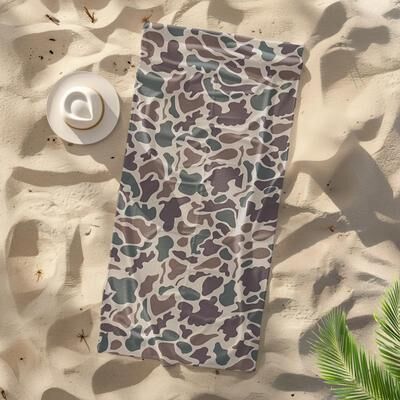
JML Camouflage beach towel,Quick Dry, Lightweight & Compact beach towel for Pool, Yoga and Camping"Material: Microfiber Size:30"" x 60"" Features: Prime Quality Material -- The beach towel is made of microfiber. Soft, lightweight, breathable, highly water absorbent, non-pilling, lint-free and not easy to fade. Perfect Decoration -- 30 x 60 Inch."28,99 $*Shipping: 0,00 $Secure redirect to the provider
-
Why is the endosymbiont theory spoken of?
The endosymbiont theory is spoken of because it provides a compelling explanation for the origin of eukaryotic cells. This theory suggests that eukaryotic cells evolved from a symbiotic relationship between different types of prokaryotic cells, with one cell engulfing another and forming a mutually beneficial partnership. This theory is important because it helps to explain the presence of organelles such as mitochondria and chloroplasts within eukaryotic cells, as well as the similarities between these organelles and certain types of bacteria. Overall, the endosymbiont theory has had a significant impact on our understanding of the evolution of complex life forms. **
-
How can the endosymbiont theory be proven?
The endosymbiont theory can be proven through a combination of evidence from molecular biology, genetics, and comparative genomics. One way to prove the theory is by comparing the genetic material of organelles like mitochondria and chloroplasts to that of free-living bacteria. If the genetic sequences are similar, it would support the idea that these organelles were once independent bacteria that were engulfed by a host cell. Additionally, studying the structure and function of these organelles can provide further evidence for their bacterial origins. Finally, experimental studies, such as observing the behavior of organelles in different environments, can also help to support the endosymbiont theory. **
-
What does the endosymbiont theory state in biology?
The endosymbiont theory in biology states that eukaryotic cells, which make up plants, animals, fungi, and protists, evolved from a symbiotic relationship between different types of prokaryotic cells. Specifically, it proposes that mitochondria and chloroplasts, which are organelles found in eukaryotic cells, were once free-living bacteria that were engulfed by a larger host cell. Over time, these bacteria formed a mutually beneficial relationship with the host cell, eventually becoming permanent residents and evolving into the organelles we see today. This theory is supported by evidence such as the similarities between the DNA of mitochondria and chloroplasts and that of free-living bacteria, as well as their ability to replicate independently within the cell. **
-
How can the endosymbiont theory be explained simply?
The endosymbiont theory proposes that eukaryotic cells evolved from a symbiotic relationship between different types of prokaryotic cells. According to this theory, a larger host cell engulfed a smaller prokaryotic cell, forming a symbiotic relationship where the smaller cell provided energy through processes like photosynthesis or respiration. Over time, the smaller cell evolved into organelles like mitochondria and chloroplasts, which are now essential components of eukaryotic cells. This theory is supported by evidence such as the similarities between organelles and prokaryotic cells, as well as the presence of DNA within organelles. **
* All prices are inclusive of VAT and, if applicable, plus shipping costs. The offer information is based on the details provided by the respective shop and is updated through automated processes. Real-time updates do not occur, so deviations can occur in individual cases. ** Note: Parts of this content were created by AI.