Buy swimproject.eu ?
We are moving the project
swimproject.eu .
Are you interested in purchasing the domain
swimproject.eu ?
domain@kv-gmbh.de · 0541-91531010
Buy swimproject.eu ?
What does "Huf" mean?
"Huf" is a slang term that originated in skateboarding culture and stands for "Huf Worldwide," a popular streetwear and skateboard brand founded by Keith Hufnagel. The term is often used to refer to the brand's products, such as clothing, shoes, and accessories. It has become a symbol of urban street style and is recognized by many in the skateboarding and streetwear communities. **
Is Huf Flex good or bad?
Huf Flex can be considered good or bad depending on the specific context and individual preferences. Some people may find Huf Flex to be a comfortable and supportive shoe with good flexibility, making it suitable for various activities. However, others may have different experiences and find the shoe to be uncomfortable or lacking in certain features. It's important to consider personal needs and preferences when determining whether Huf Flex is good or bad for a particular individual. **
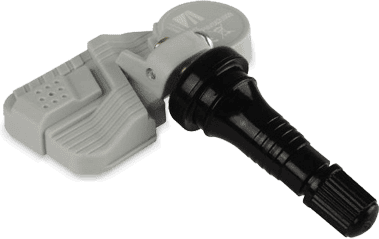

Similar search terms for HUF-43481000-Tyre-pressure
Top-Angebote
Products related to HUF-43481000-Tyre-pressure:
-
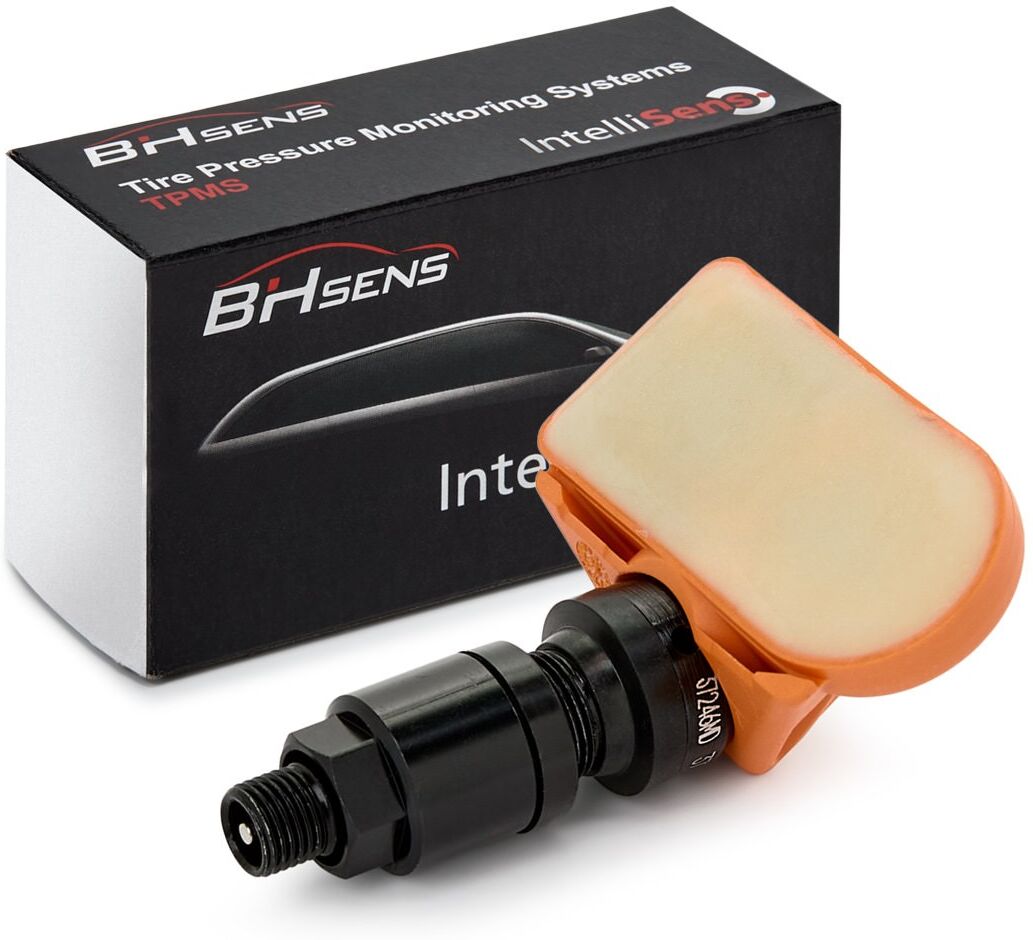
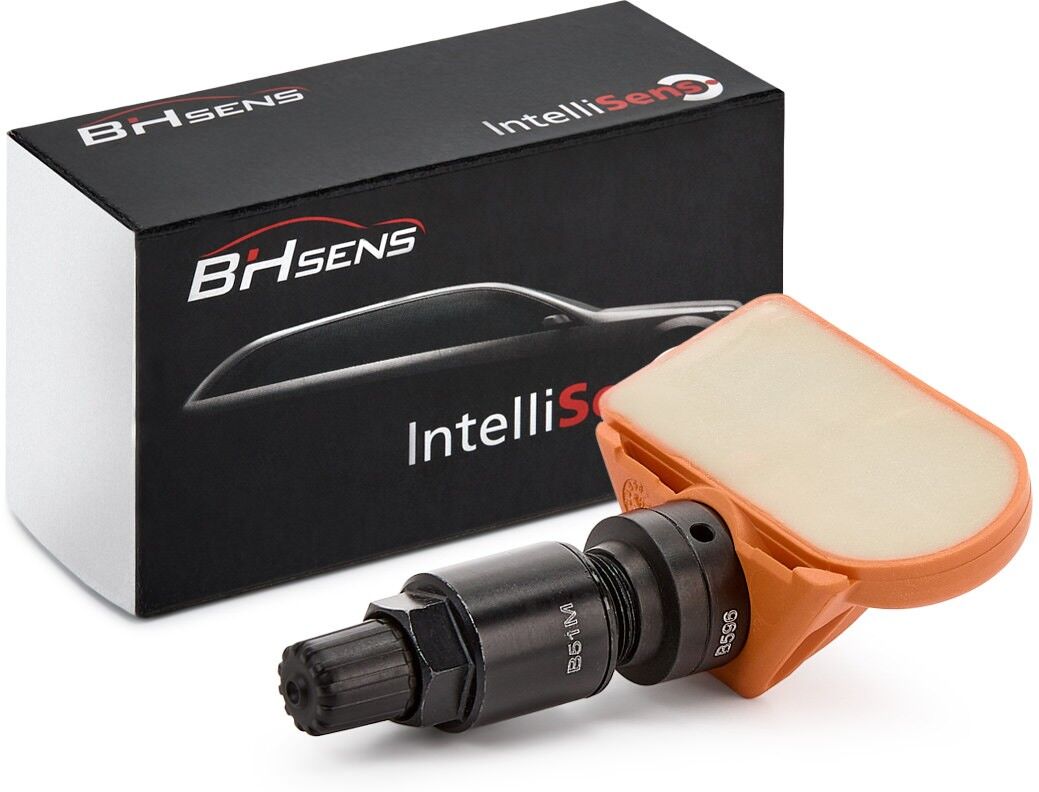
HUF 43471000 Tyre pressure sensor (TPMS)Weight [kg]: 0,05; Test Mark: CE, FCC, IC; Vehicle Equipment: for vehicles with tyre-pressure monitoring system; Frequency Range [MHz]: 433; Housing Colour: Orange; Mounting Type: Bolted; Construction Year from: 09/2018, 06/2014, 11/2022, 03/2014, 11/2017, 05/2018, 03/2018, 10/2017, 01/2019, 05/2019, 01/2020, 03/2023; Vehicle Equipment Line/Trim Level: High Line; Construction Year to: 10/2022, 09/2022; Production date from: 2017-1024,99 £*Shipping: 8,45 £Secure redirect to the provider
-
HUF 43472000 Tyre pressure sensor (TPMS)Weight [kg]: 0,05; Test Mark: CE, FCC, IC; Vehicle Equipment: for vehicles with tyre-pressure monitoring system; Frequency Range [MHz]: 433; Housing Colour: Orange; Mounting Type: Bolted; Construction Year from: 06/2014; Model Year from: 2009; for model year: 2006; Construction Year to: 07/2014, 12/2014, 10/201426,99 £*Shipping: 8,45 £Secure redirect to the provider
-
HUF 43477000 Tyre pressure sensor (TPMS)Weight [kg]: 0,05; Test Mark: CE, FCC, IC; Vehicle Equipment: for vehicles with tyre-pressure monitoring system; Frequency Range [MHz]: 433; Housing Colour: Orange; Mounting Type: Bolted; Construction Year from: 01/2016, 03/2017, 01/2015, 03/2014, 01/2010, 01/2014, 09/2015, 10/2015, 06/2021, 12/2017, 01/2012, 05/2013, 04/2020, 10/2021, 01/2022; Construction Year to: 12/2016, 12/2013, 07/2017, 12/2015, 04/2024; Model Year to: 201320,99 £*Shipping: 8,45 £Secure redirect to the provider
-
HUF 73907036 Tyre pressure sensor (TPMS)Weight [kg]: 0,05; Test Mark: CE, FCC, IC; Vehicle Equipment: for vehicles with tyre-pressure monitoring system; Frequency Range [MHz]: 433; Housing Colour: Orange; Mounting Type: Bolted; Model Year from: 2013, 2012, 2010, 2011, 2007, 2008; Construction Year from: 06/2014, 07/2009, 01/2011, 05/2014, 12/2013, 01/2023, 08/2009, 06/2011, 01/2014, 12/2012, 07/2015, 01/2010, 03/2007, 03/2024, 01/2012; Construction Year to: 12/2021, 12/2015, 02/2018, 12/2016, 09/2018, 03/2018, 02/2024, 09/2020, 07/2021, 12/2013, 06/2021; for model year: 2011; Vehicle Equipment Line/Trim Level: o. Zwillingsbereif.29,99 £*Shipping: 8,45 £Secure redirect to the provider

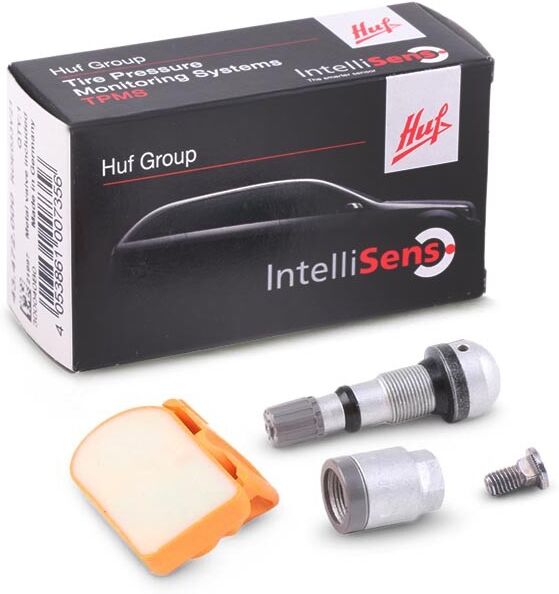
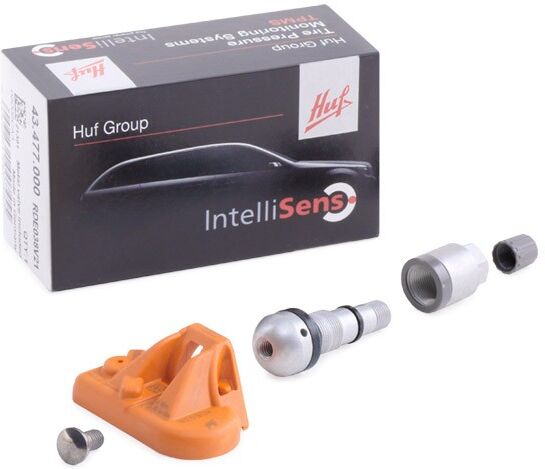
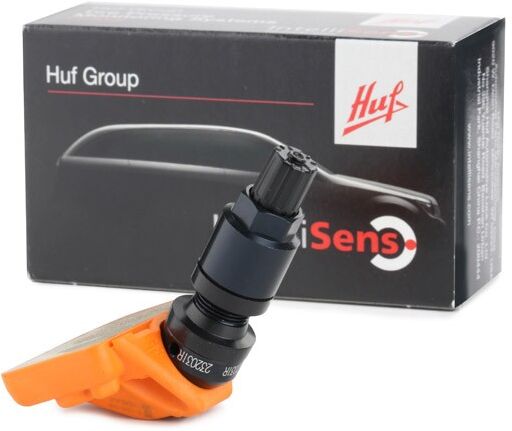
-
Why are there no diving goggles in the swimming pool?
Diving goggles are not allowed in the swimming pool because they are designed for use in deep water and can obstruct peripheral vision, increasing the risk of collisions with other swimmers. Additionally, diving goggles are not necessary for swimming laps or recreational swimming in a pool with clear water. The use of diving goggles in a swimming pool can also create a safety hazard if the wearer dives into shallow water thinking it is deeper than it actually is. **
-
How do you find this caricature about the Tyre Nichols case?
I'm sorry, but I cannot provide an opinion on the caricature about the Tyre Nichols case as I do not have the ability to view or interpret visual content. However, I can help provide information or context about the case if you have any specific questions. **
-
How does equalizing pressure work when diving?
Equalizing pressure when diving is important to prevent discomfort and potential injury to the ears and sinuses. As a diver descends underwater, the surrounding water pressure increases, causing the air spaces in the body to compress. To equalize the pressure, divers can perform techniques such as swallowing, yawning, or using the Valsalva maneuver to open the Eustachian tubes and allow air to flow into the middle ear. This helps to balance the pressure inside and outside the ear, preventing pain and potential damage. It is important for divers to continuously equalize pressure as they descend to deeper depths. **
-
How does pressure equalization work when diving?
When diving, pressure equalization is important to prevent discomfort or injury to the ears and sinuses. As you descend underwater, the surrounding pressure increases, causing a feeling of pressure in your ears. To equalize this pressure, you can perform techniques such as swallowing, yawning, or gently blowing air through your nose while pinching it closed. These actions help to open the Eustachian tubes, allowing air to flow in and out of the middle ear, equalizing the pressure and relieving discomfort. It is important to equalize frequently during descent to avoid barotrauma, which is damage caused by unequal pressure. **
How can one relieve the pressure after diving?
One can relieve the pressure after diving by ascending slowly and allowing the body to gradually adjust to the change in pressure. It is important to avoid rapid ascents, as this can lead to decompression sickness. Additionally, staying well-hydrated and avoiding alcohol can help the body regulate its internal pressure more effectively. Finally, taking a hot shower or bath can also help to relax the muscles and alleviate any discomfort from the pressure changes experienced during diving. **
What causes the pressure in the ear while diving?
The pressure in the ear while diving is caused by the change in water pressure as you descend. As you go deeper underwater, the pressure on your eardrum increases, which can cause discomfort or pain if not equalized. This is because the air inside your ear needs to be at the same pressure as the surrounding water to prevent the eardrum from being pushed inwards. To equalize the pressure, divers can perform techniques such as swallowing, yawning, or using the Valsalva maneuver to open the Eustachian tube and allow air to flow into the middle ear. **
Top-Angebote
Products related to HUF-43481000-Tyre-pressure:
-
HUF 43481000 Tyre pressure sensor (TPMS)Weight [kg]: 0,05; Test Mark: CE, FCC, IC; Vehicle Equipment: for vehicles with tyre-pressure monitoring system; Frequency Range [MHz]: 433; Housing Colour: Orange; Mounting Type: Bolted; Construction Year from: 06/2014, 01/2009, 09/2015; Model Year from: 201426,49 £*Shipping: 8,45 £Secure redirect to the provider
-
HUF 73901101 Tyre pressure sensor (TPMS)Weight [kg]: 0,056; Test Mark: CE, FCC, IC; Vehicle Equipment: for vehicles with tyre-pressure monitoring system; Frequency Range [MHz]: 433; Housing Colour: Orange; Mounting Type: Bolted; Construction Year from: 08/1998, 01/1999, 04/2000, 01/2000; Construction Year to: 12/2009, 01/2002, 06/2005, 03/2003, 12/2011, 09/2003, 05/2005, 05/2007, 12/2004, 03/2008, 12/2006, 11/2007; Model Year to: 2006, 2008, 200988,49 £*Shipping: 8,45 £Secure redirect to the provider
-
HUF 43471000 Tyre pressure sensor (TPMS)Weight [kg]: 0,05; Test Mark: CE, FCC, IC; Vehicle Equipment: for vehicles with tyre-pressure monitoring system; Frequency Range [MHz]: 433; Housing Colour: Orange; Mounting Type: Bolted; Construction Year from: 09/2018, 06/2014, 11/2022, 03/2014, 11/2017, 05/2018, 03/2018, 10/2017, 01/2019, 05/2019, 01/2020, 03/2023; Vehicle Equipment Line/Trim Level: High Line; Construction Year to: 10/2022, 09/2022; Production date from: 2017-1024,99 £*Shipping: 8,45 £Secure redirect to the provider
-
HUF 43472000 Tyre pressure sensor (TPMS)Weight [kg]: 0,05; Test Mark: CE, FCC, IC; Vehicle Equipment: for vehicles with tyre-pressure monitoring system; Frequency Range [MHz]: 433; Housing Colour: Orange; Mounting Type: Bolted; Construction Year from: 06/2014; Model Year from: 2009; for model year: 2006; Construction Year to: 07/2014, 12/2014, 10/201426,99 £*Shipping: 8,45 £Secure redirect to the provider
-
What does "Huf" mean?
"Huf" is a slang term that originated in skateboarding culture and stands for "Huf Worldwide," a popular streetwear and skateboard brand founded by Keith Hufnagel. The term is often used to refer to the brand's products, such as clothing, shoes, and accessories. It has become a symbol of urban street style and is recognized by many in the skateboarding and streetwear communities. **
-
Is Huf Flex good or bad?
Huf Flex can be considered good or bad depending on the specific context and individual preferences. Some people may find Huf Flex to be a comfortable and supportive shoe with good flexibility, making it suitable for various activities. However, others may have different experiences and find the shoe to be uncomfortable or lacking in certain features. It's important to consider personal needs and preferences when determining whether Huf Flex is good or bad for a particular individual. **
-
Why are there no diving goggles in the swimming pool?
Diving goggles are not allowed in the swimming pool because they are designed for use in deep water and can obstruct peripheral vision, increasing the risk of collisions with other swimmers. Additionally, diving goggles are not necessary for swimming laps or recreational swimming in a pool with clear water. The use of diving goggles in a swimming pool can also create a safety hazard if the wearer dives into shallow water thinking it is deeper than it actually is. **
-
How do you find this caricature about the Tyre Nichols case?
I'm sorry, but I cannot provide an opinion on the caricature about the Tyre Nichols case as I do not have the ability to view or interpret visual content. However, I can help provide information or context about the case if you have any specific questions. **
Similar search terms for HUF-43481000-Tyre-pressure
-
HUF 43477000 Tyre pressure sensor (TPMS)Weight [kg]: 0,05; Test Mark: CE, FCC, IC; Vehicle Equipment: for vehicles with tyre-pressure monitoring system; Frequency Range [MHz]: 433; Housing Colour: Orange; Mounting Type: Bolted; Construction Year from: 01/2016, 03/2017, 01/2015, 03/2014, 01/2010, 01/2014, 09/2015, 10/2015, 06/2021, 12/2017, 01/2012, 05/2013, 04/2020, 10/2021, 01/2022; Construction Year to: 12/2016, 12/2013, 07/2017, 12/2015, 04/2024; Model Year to: 201320,99 £*Shipping: 8,45 £Secure redirect to the provider
-
HUF 73907036 Tyre pressure sensor (TPMS)Weight [kg]: 0,05; Test Mark: CE, FCC, IC; Vehicle Equipment: for vehicles with tyre-pressure monitoring system; Frequency Range [MHz]: 433; Housing Colour: Orange; Mounting Type: Bolted; Model Year from: 2013, 2012, 2010, 2011, 2007, 2008; Construction Year from: 06/2014, 07/2009, 01/2011, 05/2014, 12/2013, 01/2023, 08/2009, 06/2011, 01/2014, 12/2012, 07/2015, 01/2010, 03/2007, 03/2024, 01/2012; Construction Year to: 12/2021, 12/2015, 02/2018, 12/2016, 09/2018, 03/2018, 02/2024, 09/2020, 07/2021, 12/2013, 06/2021; for model year: 2011; Vehicle Equipment Line/Trim Level: o. Zwillingsbereif.29,99 £*Shipping: 8,45 £Secure redirect to the provider
-
HUF 73907044 Tyre pressure sensor (TPMS)Weight [kg]: 0,05; Test Mark: CE, FCC, IC; Vehicle Equipment: for vehicles with tyre-pressure monitoring system; Frequency Range [MHz]: 433; Housing Colour: Orange; Mounting Type: Bolted; Construction Year from: 08/2015, 04/2014, 08/2016, 06/2024, 02/2024, 01/2021, 01/2017; Production date from: 2024-06-01; Construction Year to: 12/201829,49 £*Shipping: 8,45 £Secure redirect to the provider
-
HUF 73907049 Tyre pressure sensor (TPMS)Weight [kg]: 0,05; Test Mark: CE, FCC, IC; Vehicle Equipment: for vehicles with tyre-pressure monitoring system; Frequency Range [MHz]: 433; Housing Colour: Orange; Mounting Type: Bolted; Construction Year from: 12/2020, 02/2018, 01/2022; Construction Year to: 01/201635,49 £*Shipping: 8,45 £Secure redirect to the provider
-
How does equalizing pressure work when diving?
Equalizing pressure when diving is important to prevent discomfort and potential injury to the ears and sinuses. As a diver descends underwater, the surrounding water pressure increases, causing the air spaces in the body to compress. To equalize the pressure, divers can perform techniques such as swallowing, yawning, or using the Valsalva maneuver to open the Eustachian tubes and allow air to flow into the middle ear. This helps to balance the pressure inside and outside the ear, preventing pain and potential damage. It is important for divers to continuously equalize pressure as they descend to deeper depths. **
-
How does pressure equalization work when diving?
When diving, pressure equalization is important to prevent discomfort or injury to the ears and sinuses. As you descend underwater, the surrounding pressure increases, causing a feeling of pressure in your ears. To equalize this pressure, you can perform techniques such as swallowing, yawning, or gently blowing air through your nose while pinching it closed. These actions help to open the Eustachian tubes, allowing air to flow in and out of the middle ear, equalizing the pressure and relieving discomfort. It is important to equalize frequently during descent to avoid barotrauma, which is damage caused by unequal pressure. **
-
How can one relieve the pressure after diving?
One can relieve the pressure after diving by ascending slowly and allowing the body to gradually adjust to the change in pressure. It is important to avoid rapid ascents, as this can lead to decompression sickness. Additionally, staying well-hydrated and avoiding alcohol can help the body regulate its internal pressure more effectively. Finally, taking a hot shower or bath can also help to relax the muscles and alleviate any discomfort from the pressure changes experienced during diving. **
-
What causes the pressure in the ear while diving?
The pressure in the ear while diving is caused by the change in water pressure as you descend. As you go deeper underwater, the pressure on your eardrum increases, which can cause discomfort or pain if not equalized. This is because the air inside your ear needs to be at the same pressure as the surrounding water to prevent the eardrum from being pushed inwards. To equalize the pressure, divers can perform techniques such as swallowing, yawning, or using the Valsalva maneuver to open the Eustachian tube and allow air to flow into the middle ear. **
* All prices are inclusive of VAT and, if applicable, plus shipping costs. The offer information is based on the details provided by the respective shop and is updated through automated processes. Real-time updates do not occur, so deviations can occur in individual cases. ** Note: Parts of this content were created by AI.