Buy swimproject.eu ?
We are moving the project
swimproject.eu .
Are you interested in purchasing the domain
swimproject.eu ?
domain@kv-gmbh.de · 0541-91531010
Buy swimproject.eu ?
What are hazardous substances?
Hazardous substances are materials that pose a risk to human health, the environment, or property. These substances can be in the form of chemicals, biological agents, or physical agents such as radiation. They have the potential to cause harm through direct contact, ingestion, inhalation, or environmental contamination. Examples of hazardous substances include toxic chemicals, flammable materials, infectious agents, and radioactive materials. It is important to handle and dispose of hazardous substances properly to minimize the risk of harm. **
Is nitrogen considered hazardous material?
Nitrogen itself is not considered a hazardous material. It is a common, non-toxic, and non-flammable gas that makes up about 78% of the Earth's atmosphere. However, nitrogen can become hazardous if it is stored or used in certain ways that create potential risks, such as in high-pressure containers or in confined spaces where it can displace oxygen. In these situations, proper safety measures should be taken to prevent accidents. **


Similar search terms for Hazardous
Top-Angebote
Products related to Hazardous:
-
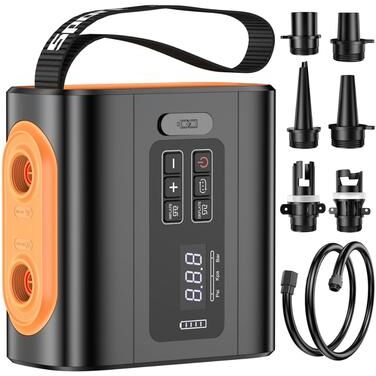
USA Free Shipping Shop Portable Electric Air Pump For Camping Air Mattresses And Pool Floats blackFeel ready for every adventure with a compact pump that makes inflating and deflating effortless. This Portable air pump is designed for campers, travelers, beachgoers, and families who want a fast, hasslefree setup for air beds, sleeping pads,...229,97 $*Shipping: 0,00 $Secure redirect to the provider
-
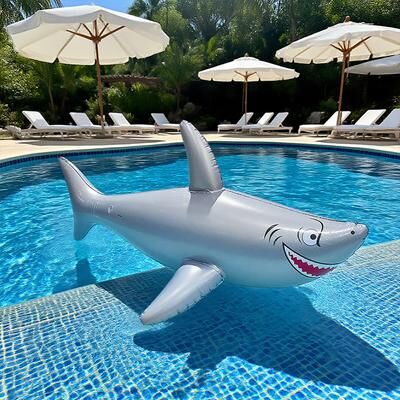
Smart Shopping Spot Shark Toy Pool Party Decoration Beach Float Shark Toy Pool Party Decoration Beach FloatMake a splash at your next celebration with this eyecatching inflatable 1pc shark toy that instantly transforms any pool or beach setup into an unforgettable scene. Designed for party lovers, kids, and oceanthemed events, this playful yet realistic...34,97 $*Shipping: 0,00 $Secure redirect to the provider
-
Multisell Products Hub Luxury Beach Outings Belted Swimwear Cape Sea Boho Coverup Long bird one SizeElegant and Comfortable Beach Coverup: Introducing the Sea Boho Coverup Long Luxury Beach outing cape, designed to make you stand out on your next beach vacation. This stunning coverup combines comfort with style, offering a versatile option for...79,97 $*Shipping: 0,00 $Secure redirect to the provider


-
How are hazardous material points calculated?
Hazardous material points are calculated based on the type and quantity of hazardous materials present at a facility. Each type of hazardous material is assigned a point value based on its potential risk, and the total points are calculated by adding up the points for all the hazardous materials on site. The points are used to determine the level of risk and potential impact of the hazardous materials, which helps in assessing the need for safety measures and emergency response planning. **
-
Is old gravel considered hazardous waste?
Old gravel is not typically considered hazardous waste unless it has been contaminated with hazardous materials such as oil, chemicals, or other pollutants. If the gravel has been used in industrial or commercial settings where it may have come into contact with hazardous substances, it could be considered hazardous waste. However, if the gravel is clean and free from contamination, it can usually be disposed of as non-hazardous waste. It's important to check local regulations and guidelines for proper disposal of old gravel to ensure compliance with environmental laws. **
-
Are pieces of styrofoam fire hazardous?
Yes, pieces of styrofoam are fire hazardous. When styrofoam is exposed to fire, it can release toxic fumes and gases, including carbon monoxide and styrene. These fumes can be harmful to human health and the environment. Additionally, styrofoam can easily ignite and burn quickly, making it a fire hazard in both residential and industrial settings. Therefore, it is important to handle and dispose of styrofoam properly to minimize the risk of fire and exposure to toxic fumes. **
-
Is hydrogen cyanide hazardous to health?
Yes, hydrogen cyanide is hazardous to health. It is a highly toxic chemical that can be fatal if inhaled, ingested, or absorbed through the skin. Exposure to even small amounts of hydrogen cyanide can cause symptoms such as headache, dizziness, nausea, and difficulty breathing. In high concentrations, it can lead to rapid loss of consciousness and death. Therefore, it is important to handle hydrogen cyanide with extreme caution and follow proper safety protocols when working with this chemical. **

Why are there no diving goggles in the swimming pool?
Diving goggles are not allowed in the swimming pool because they are designed for use in deep water and can obstruct peripheral vision, increasing the risk of collisions with other swimmers. Additionally, diving goggles are not necessary for swimming laps or recreational swimming in a pool with clear water. The use of diving goggles in a swimming pool can also create a safety hazard if the wearer dives into shallow water thinking it is deeper than it actually is. **
How do you dispose of hazardous substances?
Hazardous substances should be disposed of properly to prevent harm to human health and the environment. The best way to dispose of hazardous substances is to take them to a designated hazardous waste disposal facility or a household hazardous waste collection event. It is important to never pour hazardous substances down the drain, into the soil, or throw them in the regular trash. Always follow the instructions on the product label for proper disposal methods. **
Top-Angebote
Products related to Hazardous:
-
Shop Station Kids Underwater Treasure Hunt Pool Diving Toys Set With Fish, Dolphin & Diving Gems Kids Underwater Treasure Hunt Pool Diving Toys Set With Fish, Dolphin & Diving GemsExperience exciting underwater adventures with this colorful pool diving toys set designed to make every swim more fun. Featuring fish, dolphin, and sparkling diving gems, it's perfect for children who love games, challenges, and imaginative play in...34,97 $*Shipping: 0,00 $Secure redirect to the provider
-
Shop Station Adjustable Water Aerobics Cuffs Aquatic Fitness Cuffs & Swim Ankle Floats For Pool Exercise Adjustable Water Aerobics Cuffs Aquatic Fitness Cuffs & Swim Ankle Floats For Pool ExerciseMake every pool workout more effective while staying comfortable and supported. These water aerobics cuffs are designed for swimmers, fitness enthusiasts, and rehabilitation users who want to add gentle resistance and buoyancy to their aquatic...44,97 $*Shipping: 0,00 $Secure redirect to the provider
-
USA Free Shipping Shop Portable Electric Air Pump For Camping Air Mattresses And Pool Floats blackFeel ready for every adventure with a compact pump that makes inflating and deflating effortless. This Portable air pump is designed for campers, travelers, beachgoers, and families who want a fast, hasslefree setup for air beds, sleeping pads,...229,97 $*Shipping: 0,00 $Secure redirect to the provider
-
Smart Shopping Spot Shark Toy Pool Party Decoration Beach Float Shark Toy Pool Party Decoration Beach FloatMake a splash at your next celebration with this eyecatching inflatable 1pc shark toy that instantly transforms any pool or beach setup into an unforgettable scene. Designed for party lovers, kids, and oceanthemed events, this playful yet realistic...34,97 $*Shipping: 0,00 $Secure redirect to the provider
-
What are hazardous substances?
Hazardous substances are materials that pose a risk to human health, the environment, or property. These substances can be in the form of chemicals, biological agents, or physical agents such as radiation. They have the potential to cause harm through direct contact, ingestion, inhalation, or environmental contamination. Examples of hazardous substances include toxic chemicals, flammable materials, infectious agents, and radioactive materials. It is important to handle and dispose of hazardous substances properly to minimize the risk of harm. **
-
Is nitrogen considered hazardous material?
Nitrogen itself is not considered a hazardous material. It is a common, non-toxic, and non-flammable gas that makes up about 78% of the Earth's atmosphere. However, nitrogen can become hazardous if it is stored or used in certain ways that create potential risks, such as in high-pressure containers or in confined spaces where it can displace oxygen. In these situations, proper safety measures should be taken to prevent accidents. **
-
How are hazardous material points calculated?
Hazardous material points are calculated based on the type and quantity of hazardous materials present at a facility. Each type of hazardous material is assigned a point value based on its potential risk, and the total points are calculated by adding up the points for all the hazardous materials on site. The points are used to determine the level of risk and potential impact of the hazardous materials, which helps in assessing the need for safety measures and emergency response planning. **
-
Is old gravel considered hazardous waste?
Old gravel is not typically considered hazardous waste unless it has been contaminated with hazardous materials such as oil, chemicals, or other pollutants. If the gravel has been used in industrial or commercial settings where it may have come into contact with hazardous substances, it could be considered hazardous waste. However, if the gravel is clean and free from contamination, it can usually be disposed of as non-hazardous waste. It's important to check local regulations and guidelines for proper disposal of old gravel to ensure compliance with environmental laws. **
Similar search terms for Hazardous
-
Multisell Products Hub Luxury Beach Outings Belted Swimwear Cape Sea Boho Coverup Long bird one SizeElegant and Comfortable Beach Coverup: Introducing the Sea Boho Coverup Long Luxury Beach outing cape, designed to make you stand out on your next beach vacation. This stunning coverup combines comfort with style, offering a versatile option for...79,97 $*Shipping: 0,00 $Secure redirect to the provider
-
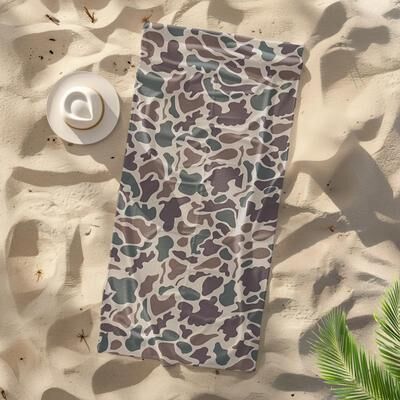
JML Camouflage beach towel,Quick Dry, Lightweight & Compact beach towel for Pool, Yoga and Camping"Material: Microfiber Size:30"" x 60"" Features: Prime Quality Material -- The beach towel is made of microfiber. Soft, lightweight, breathable, highly water absorbent, non-pilling, lint-free and not easy to fade. Perfect Decoration -- 30 x 60 Inch."28,99 $*Shipping: 0,00 $Secure redirect to the provider
-
Are pieces of styrofoam fire hazardous?
Yes, pieces of styrofoam are fire hazardous. When styrofoam is exposed to fire, it can release toxic fumes and gases, including carbon monoxide and styrene. These fumes can be harmful to human health and the environment. Additionally, styrofoam can easily ignite and burn quickly, making it a fire hazard in both residential and industrial settings. Therefore, it is important to handle and dispose of styrofoam properly to minimize the risk of fire and exposure to toxic fumes. **
-
Is hydrogen cyanide hazardous to health?
Yes, hydrogen cyanide is hazardous to health. It is a highly toxic chemical that can be fatal if inhaled, ingested, or absorbed through the skin. Exposure to even small amounts of hydrogen cyanide can cause symptoms such as headache, dizziness, nausea, and difficulty breathing. In high concentrations, it can lead to rapid loss of consciousness and death. Therefore, it is important to handle hydrogen cyanide with extreme caution and follow proper safety protocols when working with this chemical. **
-
Why are there no diving goggles in the swimming pool?
Diving goggles are not allowed in the swimming pool because they are designed for use in deep water and can obstruct peripheral vision, increasing the risk of collisions with other swimmers. Additionally, diving goggles are not necessary for swimming laps or recreational swimming in a pool with clear water. The use of diving goggles in a swimming pool can also create a safety hazard if the wearer dives into shallow water thinking it is deeper than it actually is. **
-
How do you dispose of hazardous substances?
Hazardous substances should be disposed of properly to prevent harm to human health and the environment. The best way to dispose of hazardous substances is to take them to a designated hazardous waste disposal facility or a household hazardous waste collection event. It is important to never pour hazardous substances down the drain, into the soil, or throw them in the regular trash. Always follow the instructions on the product label for proper disposal methods. **
* All prices are inclusive of VAT and, if applicable, plus shipping costs. The offer information is based on the details provided by the respective shop and is updated through automated processes. Real-time updates do not occur, so deviations can occur in individual cases. ** Note: Parts of this content were created by AI.