Buy swimproject.eu ?
We are moving the project
swimproject.eu .
Are you interested in purchasing the domain
swimproject.eu ?
domain@kv-gmbh.de · 0541-91531010
Buy swimproject.eu ?
Are monocultures prohibited?
Monocultures are not explicitly prohibited, but they are generally discouraged in sustainable agriculture practices. Monocultures can lead to a loss of biodiversity, increased vulnerability to pests and diseases, and soil degradation. To promote a more resilient and sustainable agricultural system, it is recommended to diversify crops and incorporate crop rotation, intercropping, and agroforestry practices. By diversifying plantings, farmers can improve soil health, reduce the need for chemical inputs, and enhance overall ecosystem health. **
Why are monocultures susceptible to pests?
Monocultures are susceptible to pests because they provide a large, uniform food source for the pests to thrive on. Without the diversity of different plant species to disrupt their life cycles, pests can easily spread and reproduce rapidly in monoculture environments. Additionally, monocultures often lack the natural predators and biodiversity that can help control pest populations in more diverse ecosystems. This makes monocultures more vulnerable to pest outbreaks and infestations. **

Similar search terms for Monocultures
Top-Angebote
Products related to Monocultures:
-
USA Free Shipping Shop Portable Electric Air Pump For Camping Air Mattresses And Pool Floats blackFeel ready for every adventure with a compact pump that makes inflating and deflating effortless. This Portable air pump is designed for campers, travelers, beachgoers, and families who want a fast, hasslefree setup for air beds, sleeping pads,...229,97 $*Shipping: 0,00 $Secure redirect to the provider
-
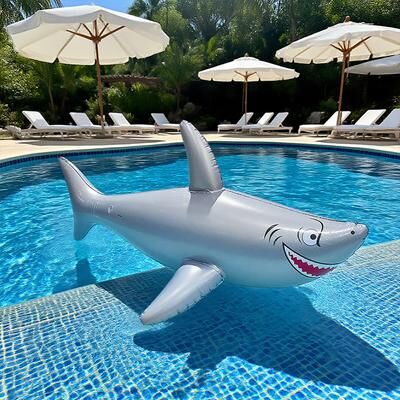
Smart Shopping Spot Shark Toy Pool Party Decoration Beach Float Shark Toy Pool Party Decoration Beach FloatMake a splash at your next celebration with this eyecatching inflatable 1pc shark toy that instantly transforms any pool or beach setup into an unforgettable scene. Designed for party lovers, kids, and oceanthemed events, this playful yet realistic...34,97 $*Shipping: 0,00 $Secure redirect to the provider
-
Multisell Products Hub Luxury Beach Outings Belted Swimwear Cape Sea Boho Coverup Long bird one SizeElegant and Comfortable Beach Coverup: Introducing the Sea Boho Coverup Long Luxury Beach outing cape, designed to make you stand out on your next beach vacation. This stunning coverup combines comfort with style, offering a versatile option for...79,97 $*Shipping: 0,00 $Secure redirect to the provider



-
How do monocultures affect the pest population?
Monocultures can lead to an increase in pest populations because they provide a consistent and abundant food source for specific pests. When a single crop is grown over a large area, it creates an ideal environment for pests to thrive and reproduce. Additionally, monocultures often lack the natural biodiversity that can help control pest populations, leading to an imbalance in the ecosystem and making it easier for pests to spread and cause damage to the crops. This can result in the need for increased pesticide use, which can further disrupt the ecosystem and harm beneficial organisms. **
-
How does cultivation take place in huge monocultures?
In huge monocultures, cultivation takes place through large-scale mechanized farming practices. This involves the use of heavy machinery such as tractors, harvesters, and irrigation systems to plant, maintain, and harvest crops over vast areas of land. Monocultures also rely heavily on the use of synthetic fertilizers, pesticides, and herbicides to maximize crop yields. This intensive farming method prioritizes efficiency and productivity, often at the expense of biodiversity and soil health. **
-
What are the raw materials from monocultures used for?
Raw materials from monocultures are used for a variety of purposes, including food production, textile manufacturing, biofuel production, and pharmaceuticals. For example, monoculture crops like corn and soybeans are used as ingredients in a wide range of processed foods and animal feed. Additionally, monoculture crops such as cotton and hemp are used to produce textiles and clothing. Monoculture crops can also be used to produce biofuels, and certain plants grown in monocultures are used in the production of pharmaceuticals and other medical products. **
-
Why are there no diving goggles in the swimming pool?
Diving goggles are not allowed in the swimming pool because they are designed for use in deep water and can obstruct peripheral vision, increasing the risk of collisions with other swimmers. Additionally, diving goggles are not necessary for swimming laps or recreational swimming in a pool with clear water. The use of diving goggles in a swimming pool can also create a safety hazard if the wearer dives into shallow water thinking it is deeper than it actually is. **

What are the abiotic differences between natural mixed forests and monocultures?
Natural mixed forests have a greater diversity of abiotic factors such as soil types, moisture levels, and microclimates, leading to a wider range of environmental conditions for different species to thrive. In contrast, monocultures have a more uniform abiotic environment, with consistent soil type, moisture levels, and microclimates. This can lead to less resilience to environmental changes and a higher susceptibility to pests and diseases. Additionally, natural mixed forests tend to have a more complex and interconnected root system, which can improve soil structure and nutrient cycling, while monocultures may have a more simplified and less resilient root system. **
How do vegans justify the high ecological footprint of plants and the associated monocultures?
Vegans justify the high ecological footprint of plants and associated monocultures by emphasizing the overall lower environmental impact of plant-based diets compared to animal-based diets. While monocultures and large-scale plant agriculture can have negative environmental effects, such as habitat destruction and soil degradation, they argue that the environmental impact of animal agriculture is far greater. Additionally, many vegans advocate for sustainable and regenerative farming practices, such as organic farming and crop rotation, to minimize the ecological footprint of plant-based foods. Overall, vegans believe that reducing or eliminating animal products from their diets is a crucial step in mitigating the environmental impact of food production. **
Top-Angebote
Products related to Monocultures:
-
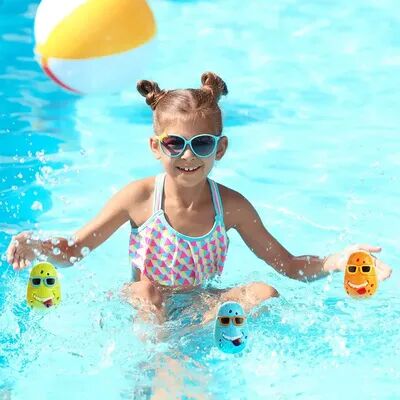
Shop Station Kids Underwater Treasure Hunt Pool Diving Toys Set With Fish, Dolphin & Diving Gems Kids Underwater Treasure Hunt Pool Diving Toys Set With Fish, Dolphin & Diving GemsExperience exciting underwater adventures with this colorful pool diving toys set designed to make every swim more fun. Featuring fish, dolphin, and sparkling diving gems, it's perfect for children who love games, challenges, and imaginative play in...34,97 $*Shipping: 0,00 $Secure redirect to the provider
-
Shop Station Adjustable Water Aerobics Cuffs Aquatic Fitness Cuffs & Swim Ankle Floats For Pool Exercise Adjustable Water Aerobics Cuffs Aquatic Fitness Cuffs & Swim Ankle Floats For Pool ExerciseMake every pool workout more effective while staying comfortable and supported. These water aerobics cuffs are designed for swimmers, fitness enthusiasts, and rehabilitation users who want to add gentle resistance and buoyancy to their aquatic...44,97 $*Shipping: 0,00 $Secure redirect to the provider
-
USA Free Shipping Shop Portable Electric Air Pump For Camping Air Mattresses And Pool Floats blackFeel ready for every adventure with a compact pump that makes inflating and deflating effortless. This Portable air pump is designed for campers, travelers, beachgoers, and families who want a fast, hasslefree setup for air beds, sleeping pads,...229,97 $*Shipping: 0,00 $Secure redirect to the provider
-
Smart Shopping Spot Shark Toy Pool Party Decoration Beach Float Shark Toy Pool Party Decoration Beach FloatMake a splash at your next celebration with this eyecatching inflatable 1pc shark toy that instantly transforms any pool or beach setup into an unforgettable scene. Designed for party lovers, kids, and oceanthemed events, this playful yet realistic...34,97 $*Shipping: 0,00 $Secure redirect to the provider
-
Are monocultures prohibited?
Monocultures are not explicitly prohibited, but they are generally discouraged in sustainable agriculture practices. Monocultures can lead to a loss of biodiversity, increased vulnerability to pests and diseases, and soil degradation. To promote a more resilient and sustainable agricultural system, it is recommended to diversify crops and incorporate crop rotation, intercropping, and agroforestry practices. By diversifying plantings, farmers can improve soil health, reduce the need for chemical inputs, and enhance overall ecosystem health. **
-
Why are monocultures susceptible to pests?
Monocultures are susceptible to pests because they provide a large, uniform food source for the pests to thrive on. Without the diversity of different plant species to disrupt their life cycles, pests can easily spread and reproduce rapidly in monoculture environments. Additionally, monocultures often lack the natural predators and biodiversity that can help control pest populations in more diverse ecosystems. This makes monocultures more vulnerable to pest outbreaks and infestations. **
-
How do monocultures affect the pest population?
Monocultures can lead to an increase in pest populations because they provide a consistent and abundant food source for specific pests. When a single crop is grown over a large area, it creates an ideal environment for pests to thrive and reproduce. Additionally, monocultures often lack the natural biodiversity that can help control pest populations, leading to an imbalance in the ecosystem and making it easier for pests to spread and cause damage to the crops. This can result in the need for increased pesticide use, which can further disrupt the ecosystem and harm beneficial organisms. **
-
How does cultivation take place in huge monocultures?
In huge monocultures, cultivation takes place through large-scale mechanized farming practices. This involves the use of heavy machinery such as tractors, harvesters, and irrigation systems to plant, maintain, and harvest crops over vast areas of land. Monocultures also rely heavily on the use of synthetic fertilizers, pesticides, and herbicides to maximize crop yields. This intensive farming method prioritizes efficiency and productivity, often at the expense of biodiversity and soil health. **
Similar search terms for Monocultures
-
Multisell Products Hub Luxury Beach Outings Belted Swimwear Cape Sea Boho Coverup Long bird one SizeElegant and Comfortable Beach Coverup: Introducing the Sea Boho Coverup Long Luxury Beach outing cape, designed to make you stand out on your next beach vacation. This stunning coverup combines comfort with style, offering a versatile option for...79,97 $*Shipping: 0,00 $Secure redirect to the provider
-
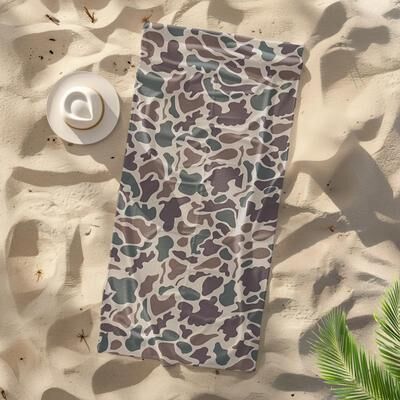
JML Camouflage beach towel,Quick Dry, Lightweight & Compact beach towel for Pool, Yoga and Camping"Material: Microfiber Size:30"" x 60"" Features: Prime Quality Material -- The beach towel is made of microfiber. Soft, lightweight, breathable, highly water absorbent, non-pilling, lint-free and not easy to fade. Perfect Decoration -- 30 x 60 Inch."28,99 $*Shipping: 0,00 $Secure redirect to the provider
-
What are the raw materials from monocultures used for?
Raw materials from monocultures are used for a variety of purposes, including food production, textile manufacturing, biofuel production, and pharmaceuticals. For example, monoculture crops like corn and soybeans are used as ingredients in a wide range of processed foods and animal feed. Additionally, monoculture crops such as cotton and hemp are used to produce textiles and clothing. Monoculture crops can also be used to produce biofuels, and certain plants grown in monocultures are used in the production of pharmaceuticals and other medical products. **
-
Why are there no diving goggles in the swimming pool?
Diving goggles are not allowed in the swimming pool because they are designed for use in deep water and can obstruct peripheral vision, increasing the risk of collisions with other swimmers. Additionally, diving goggles are not necessary for swimming laps or recreational swimming in a pool with clear water. The use of diving goggles in a swimming pool can also create a safety hazard if the wearer dives into shallow water thinking it is deeper than it actually is. **
-
What are the abiotic differences between natural mixed forests and monocultures?
Natural mixed forests have a greater diversity of abiotic factors such as soil types, moisture levels, and microclimates, leading to a wider range of environmental conditions for different species to thrive. In contrast, monocultures have a more uniform abiotic environment, with consistent soil type, moisture levels, and microclimates. This can lead to less resilience to environmental changes and a higher susceptibility to pests and diseases. Additionally, natural mixed forests tend to have a more complex and interconnected root system, which can improve soil structure and nutrient cycling, while monocultures may have a more simplified and less resilient root system. **
-
How do vegans justify the high ecological footprint of plants and the associated monocultures?
Vegans justify the high ecological footprint of plants and associated monocultures by emphasizing the overall lower environmental impact of plant-based diets compared to animal-based diets. While monocultures and large-scale plant agriculture can have negative environmental effects, such as habitat destruction and soil degradation, they argue that the environmental impact of animal agriculture is far greater. Additionally, many vegans advocate for sustainable and regenerative farming practices, such as organic farming and crop rotation, to minimize the ecological footprint of plant-based foods. Overall, vegans believe that reducing or eliminating animal products from their diets is a crucial step in mitigating the environmental impact of food production. **
* All prices are inclusive of VAT and, if applicable, plus shipping costs. The offer information is based on the details provided by the respective shop and is updated through automated processes. Real-time updates do not occur, so deviations can occur in individual cases. ** Note: Parts of this content were created by AI.