Buy swimproject.eu ?
We are moving the project
swimproject.eu .
Are you interested in purchasing the domain
swimproject.eu ?
domain@kv-gmbh.de · 0541-91531010
Buy swimproject.eu ?
'Will + participle 2?'
"Will + participle 2" is a construction used to form the future perfect tense in English. It is used to indicate an action that will be completed before a specific point in the future. This construction is formed by using the auxiliary verb "will" followed by the past participle of the main verb. For example, "By the time you arrive, I will have finished my homework." **
What are the Latin forms of the present participle, perfect passive participle, and future active participle?
The Latin present participle is formed by adding -ns, -ntis to the present stem of the verb. For example, the present participle of the verb "amo" (I love) is "amans, amantis" (loving). The perfect passive participle is formed by adding -us, -a, -um to the verb stem. For example, the perfect passive participle of the verb "amo" is "amatus, amata, amatum" (loved). The future active participle is formed by adding -urus, -ura, -urum to the verb stem. For example, the future active participle of the verb "amo" is "amaturus, amatura, amaturum" (about to love). **

Similar search terms for Participle
Top-Angebote
Products related to Participle:
-
USA Free Shipping Shop Portable Electric Air Pump For Camping Air Mattresses And Pool Floats orangeFeel ready for every adventure with a compact pump that makes inflating and deflating effortless. This Portable air pump is designed for campers, travelers, beachgoers, and families who want a fast, hasslefree setup for air beds, sleeping pads,...229,97 $*Shipping: 0,00 $Secure redirect to the provider
-
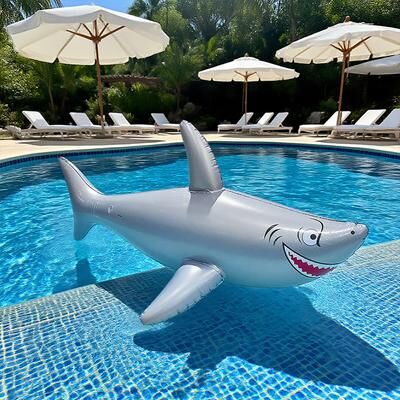
Smart Shopping Spot Shark Toy Pool Party Decoration Beach Float Shark Toy Pool Party Decoration Beach FloatMake a splash at your next celebration with this eyecatching inflatable 1pc shark toy that instantly transforms any pool or beach setup into an unforgettable scene. Designed for party lovers, kids, and oceanthemed events, this playful yet realistic...34,97 $*Shipping: 0,00 $Secure redirect to the provider
-
Multisell Products Hub Luxury Beach Outings Belted Swimwear Cape Sea Boho Coverup Long bird one SizeElegant and Comfortable Beach Coverup: Introducing the Sea Boho Coverup Long Luxury Beach outing cape, designed to make you stand out on your next beach vacation. This stunning coverup combines comfort with style, offering a versatile option for...79,97 $*Shipping: 0,00 $Secure redirect to the provider



-
What are participle clauses?
Participle clauses are a type of clause that uses a present participle (-ing form) or a past participle (-ed form) to provide additional information about the subject of the main clause. They can be used to show simultaneous actions, cause and effect, or to provide descriptive details. For example, in the sentence "Feeling tired, she decided to go to bed," the participle clause "Feeling tired" provides additional information about the subject "she." **
-
What is a participle?
A participle is a form of a verb that can function as an adjective or be part of a verb phrase. There are two types of participles in English: the present participle, which ends in -ing (e.g. "walking"), and the past participle, which can end in -ed, -en, -d, -t, -n, or -ne (e.g. "broken"). Participles are used to modify nouns or pronouns, and they can also be used to form verb tenses such as the present perfect or past perfect. **
-
What is the difference between the past participle and the present participle?
The past participle is a verb form used to indicate a completed action or state that occurred in the past. It is often used with auxiliary verbs to form the perfect tenses (e.g., "has eaten," "had gone"). The present participle, on the other hand, is a verb form used to indicate an ongoing action or state in the present or future. It is formed by adding "-ing" to the base form of the verb and is used to create the progressive tenses (e.g., "is eating," "will be going"). **
-
How can the terms premature, simultaneous, and subsequent be explained in relation to past participle, present participle, and future participle?
The terms premature, simultaneous, and subsequent can be explained in relation to past participle, present participle, and future participle based on their timing in relation to the action of the verb. The past participle refers to an action that has already been completed, making it premature in relation to the present moment. The present participle refers to an action that is happening at the same time as something else, making it simultaneous. The future participle refers to an action that will happen at a later time, making it subsequent to the present moment. These terms help to clarify the timing of the action in relation to the verb. **

Why are there no diving goggles in the swimming pool?
Diving goggles are not allowed in the swimming pool because they are designed for use in deep water and can obstruct peripheral vision, increasing the risk of collisions with other swimmers. Additionally, diving goggles are not necessary for swimming laps or recreational swimming in a pool with clear water. The use of diving goggles in a swimming pool can also create a safety hazard if the wearer dives into shallow water thinking it is deeper than it actually is. **
What is a nominalized participle?
A nominalized participle is a verb form that has been turned into a noun. This is done by adding a suffix to the participle form of the verb, which allows it to function as a noun in a sentence. Nominalized participles are commonly used in various languages to express actions or qualities in a more abstract or general way. **
Top-Angebote
Products related to Participle:
-
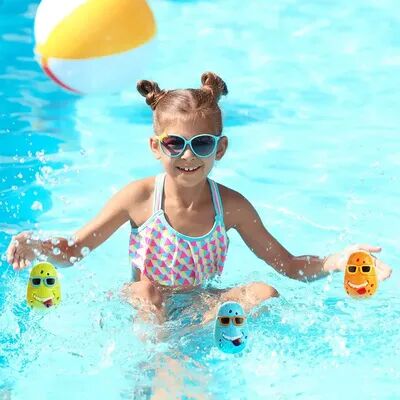
Shop Station Kids Underwater Treasure Hunt Pool Diving Toys Set With Fish, Dolphin & Diving Gems Kids Underwater Treasure Hunt Pool Diving Toys Set With Fish, Dolphin & Diving GemsExperience exciting underwater adventures with this colorful pool diving toys set designed to make every swim more fun. Featuring fish, dolphin, and sparkling diving gems, it's perfect for children who love games, challenges, and imaginative play in...34,97 $*Shipping: 0,00 $Secure redirect to the provider
-
Shop Station Adjustable Water Aerobics Cuffs Aquatic Fitness Cuffs & Swim Ankle Floats For Pool Exercise Adjustable Water Aerobics Cuffs Aquatic Fitness Cuffs & Swim Ankle Floats For Pool ExerciseMake every pool workout more effective while staying comfortable and supported. These water aerobics cuffs are designed for swimmers, fitness enthusiasts, and rehabilitation users who want to add gentle resistance and buoyancy to their aquatic...44,97 $*Shipping: 0,00 $Secure redirect to the provider
-
USA Free Shipping Shop Portable Electric Air Pump For Camping Air Mattresses And Pool Floats orangeFeel ready for every adventure with a compact pump that makes inflating and deflating effortless. This Portable air pump is designed for campers, travelers, beachgoers, and families who want a fast, hasslefree setup for air beds, sleeping pads,...229,97 $*Shipping: 0,00 $Secure redirect to the provider
-
Smart Shopping Spot Shark Toy Pool Party Decoration Beach Float Shark Toy Pool Party Decoration Beach FloatMake a splash at your next celebration with this eyecatching inflatable 1pc shark toy that instantly transforms any pool or beach setup into an unforgettable scene. Designed for party lovers, kids, and oceanthemed events, this playful yet realistic...34,97 $*Shipping: 0,00 $Secure redirect to the provider
-
'Will + participle 2?'
"Will + participle 2" is a construction used to form the future perfect tense in English. It is used to indicate an action that will be completed before a specific point in the future. This construction is formed by using the auxiliary verb "will" followed by the past participle of the main verb. For example, "By the time you arrive, I will have finished my homework." **
-
What are the Latin forms of the present participle, perfect passive participle, and future active participle?
The Latin present participle is formed by adding -ns, -ntis to the present stem of the verb. For example, the present participle of the verb "amo" (I love) is "amans, amantis" (loving). The perfect passive participle is formed by adding -us, -a, -um to the verb stem. For example, the perfect passive participle of the verb "amo" is "amatus, amata, amatum" (loved). The future active participle is formed by adding -urus, -ura, -urum to the verb stem. For example, the future active participle of the verb "amo" is "amaturus, amatura, amaturum" (about to love). **
-
What are participle clauses?
Participle clauses are a type of clause that uses a present participle (-ing form) or a past participle (-ed form) to provide additional information about the subject of the main clause. They can be used to show simultaneous actions, cause and effect, or to provide descriptive details. For example, in the sentence "Feeling tired, she decided to go to bed," the participle clause "Feeling tired" provides additional information about the subject "she." **
-
What is a participle?
A participle is a form of a verb that can function as an adjective or be part of a verb phrase. There are two types of participles in English: the present participle, which ends in -ing (e.g. "walking"), and the past participle, which can end in -ed, -en, -d, -t, -n, or -ne (e.g. "broken"). Participles are used to modify nouns or pronouns, and they can also be used to form verb tenses such as the present perfect or past perfect. **
Similar search terms for Participle
-
Multisell Products Hub Luxury Beach Outings Belted Swimwear Cape Sea Boho Coverup Long bird one SizeElegant and Comfortable Beach Coverup: Introducing the Sea Boho Coverup Long Luxury Beach outing cape, designed to make you stand out on your next beach vacation. This stunning coverup combines comfort with style, offering a versatile option for...79,97 $*Shipping: 0,00 $Secure redirect to the provider
-
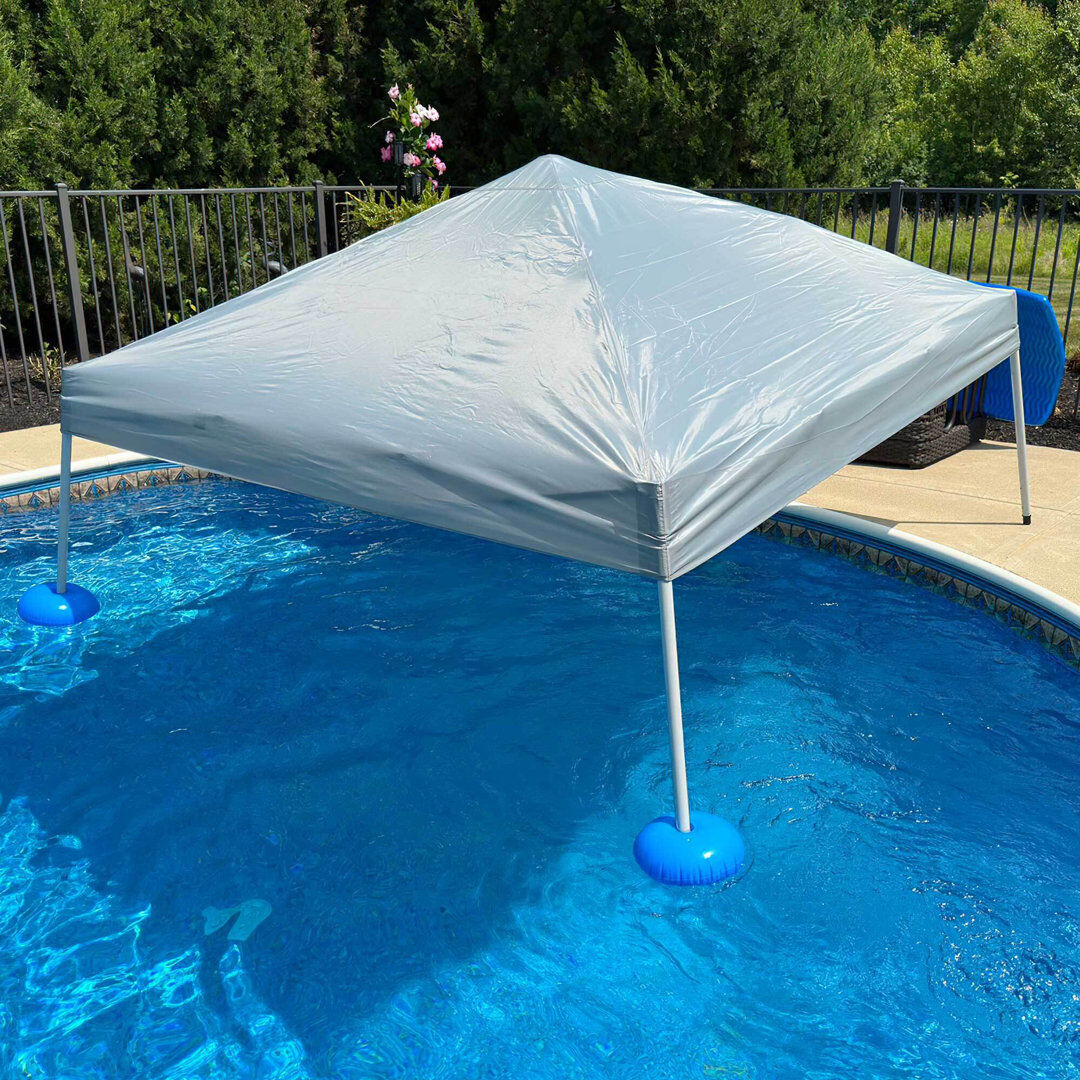
Sunjoy Floating Pool Canopy 3 x 3m Pop Up Gazebo,Blue Fabric Floating Tent with PVC Floats Blue 197cm H X 297cm W X 297cm DEscape the scorching heat and level up your aquatic adventures with the grey Floating Pool Canopy! This floating oasis brings you instant, refreshing shade to your favorite lake or pool. It's perfect for fishing, tubing, swimming, and more! Simply attach the floats to the included grey pop-up canopy and experience the coolness it provides. Made with heavy-duty Oxford fabric, this durable canopy extension is built to withstand the test of time. Shield your sensitive skin from the sun's harmful UV rays while you enjoy the water. With adjustable telescoping posts, you can effortlessly customize the height for ultimate comfort. The water/sand-injected weighted pvc anchors ensure the canopy stays in place, allowing you to relax and enjoy the worry-free shade. With the included hand-carry bag, it’s easy to take this portable canopy with you to beach getaways and quiet lakes, or simply enjoy it at home. Enjoy the shade on demand and stay cool and comfortable wherever your water adventures take you! Sunjoy106,99 £*Shipping: 0,00 £Secure redirect to the provider
-
What is the difference between the past participle and the present participle?
The past participle is a verb form used to indicate a completed action or state that occurred in the past. It is often used with auxiliary verbs to form the perfect tenses (e.g., "has eaten," "had gone"). The present participle, on the other hand, is a verb form used to indicate an ongoing action or state in the present or future. It is formed by adding "-ing" to the base form of the verb and is used to create the progressive tenses (e.g., "is eating," "will be going"). **
-
How can the terms premature, simultaneous, and subsequent be explained in relation to past participle, present participle, and future participle?
The terms premature, simultaneous, and subsequent can be explained in relation to past participle, present participle, and future participle based on their timing in relation to the action of the verb. The past participle refers to an action that has already been completed, making it premature in relation to the present moment. The present participle refers to an action that is happening at the same time as something else, making it simultaneous. The future participle refers to an action that will happen at a later time, making it subsequent to the present moment. These terms help to clarify the timing of the action in relation to the verb. **
-
Why are there no diving goggles in the swimming pool?
Diving goggles are not allowed in the swimming pool because they are designed for use in deep water and can obstruct peripheral vision, increasing the risk of collisions with other swimmers. Additionally, diving goggles are not necessary for swimming laps or recreational swimming in a pool with clear water. The use of diving goggles in a swimming pool can also create a safety hazard if the wearer dives into shallow water thinking it is deeper than it actually is. **
-
What is a nominalized participle?
A nominalized participle is a verb form that has been turned into a noun. This is done by adding a suffix to the participle form of the verb, which allows it to function as a noun in a sentence. Nominalized participles are commonly used in various languages to express actions or qualities in a more abstract or general way. **
* All prices are inclusive of VAT and, if applicable, plus shipping costs. The offer information is based on the details provided by the respective shop and is updated through automated processes. Real-time updates do not occur, so deviations can occur in individual cases. ** Note: Parts of this content were created by AI.