Buy swimproject.eu ?
We are moving the project
swimproject.eu .
Are you interested in purchasing the domain
swimproject.eu ?
domain@kv-gmbh.de · 0541-91531010
Buy swimproject.eu ?
What is a Ridex cabin air filter?
A Ridex cabin air filter is a type of air filter designed specifically for the cabin of a vehicle. It is installed in the HVAC system of the car to help improve the air quality inside the cabin by filtering out dust, pollen, and other airborne particles. This can help reduce allergens and pollutants inside the vehicle, creating a cleaner and healthier environment for the occupants. Ridex cabin air filters are typically made with high-quality materials and are designed to be a direct replacement for the original filter in the vehicle. **
Why are there no diving goggles in the swimming pool?
Diving goggles are not allowed in the swimming pool because they are designed for use in deep water and can obstruct peripheral vision, increasing the risk of collisions with other swimmers. Additionally, diving goggles are not necessary for swimming laps or recreational swimming in a pool with clear water. The use of diving goggles in a swimming pool can also create a safety hazard if the wearer dives into shallow water thinking it is deeper than it actually is. **


Similar search terms for RIDEX-2232W0014-Tyre-pressure
Top-Angebote
Products related to RIDEX-2232W0014-Tyre-pressure:
-
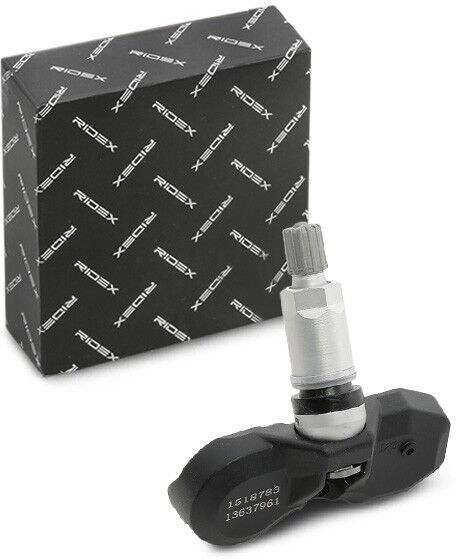
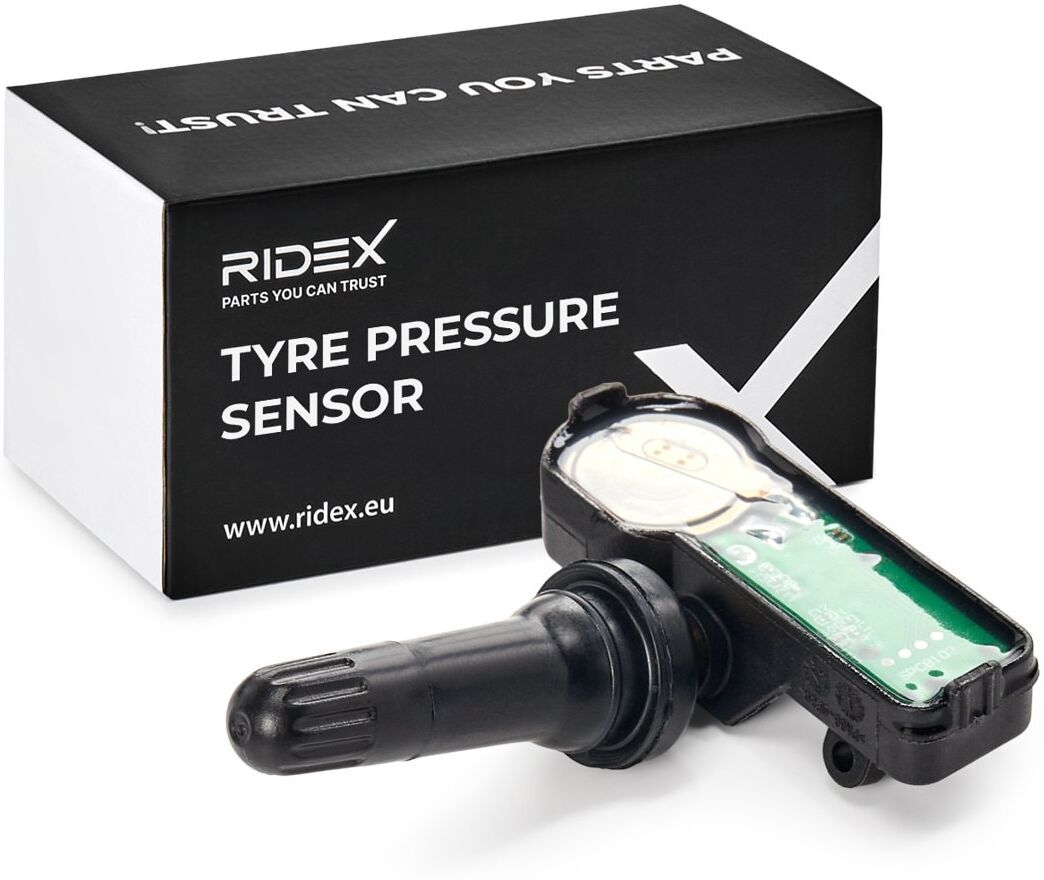
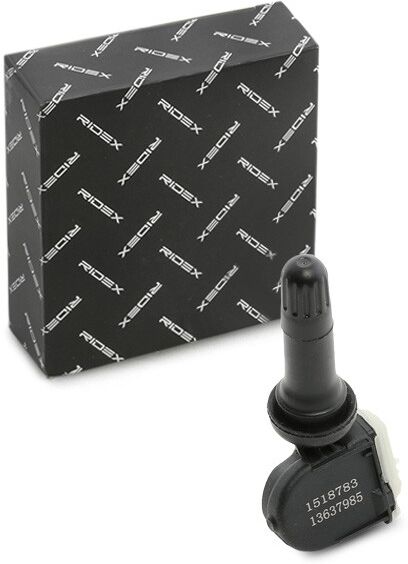
RIDEX 2232W0037 Tyre pressure sensor (TPMS)Tightening Torque [Nm]: 4; Permissible maximum speed [km/h]: 250; Supplementary Article / Supplementary Info Info 2: with groove, with valves; Code Letter: 4011; Vehicle Equipment: for vehicles with tyre-pressure monitoring system; Mounting Type: Bolted; Housing Colour: black; Frequency Range [MHz]: 433,92; Construction Year from: 10/2010, 05/2007, 11/2000, 05/2005, 09/2004, 09/1999, 06/2008, 11/2008, 02/2006, 05/2009, 08/2005, 12/2001, 09/2015; Construction Year to: 07/2014, 04/2017, 11/2014, 08/2014, 02/2015, 06/2022, 05/2015, 06/2015, 07/201528,99 £*Shipping: 8,45 £Secure redirect to the provider
-
RIDEX 2232W0040 Tyre pressure sensor (TPMS)Vehicle Equipment: for vehicles with tyre-pressure monitoring system; Frequency Range [MHz]: 433; Housing Colour: Orange; Mounting Type: Bolted; Construction Year from: 05/2014, 06/2014, 01/2005, 01/2011; Construction Year to: 04/201418,49 £*Shipping: 8,45 £Secure redirect to the provider
-
RIDEX 2232W0046 Tyre pressure sensor (TPMS)Frequency Range [MHz]: 433; Vehicle Equipment: for vehicles with tyre-pressure monitoring system; Valve Type: Air Valve; Construction Year from: 01/2014, 01/2010, 06/2014, 01/2007, 01/2015, 07/2009, 01/2013, 01/2006, 05/2012; Construction Year to: 12/2015, 12/2013, 12/2016, 01/2015, 12/2008, 01/201228,99 £*Shipping: 8,45 £Secure redirect to the provider

-
How do you find this caricature about the Tyre Nichols case?
I'm sorry, but I cannot provide an opinion on the caricature about the Tyre Nichols case as I do not have the ability to view or interpret visual content. However, I can help provide information or context about the case if you have any specific questions. **
-
How does equalizing pressure work when diving?
Equalizing pressure when diving is important to prevent discomfort and potential injury to the ears and sinuses. As a diver descends underwater, the surrounding water pressure increases, causing the air spaces in the body to compress. To equalize the pressure, divers can perform techniques such as swallowing, yawning, or using the Valsalva maneuver to open the Eustachian tubes and allow air to flow into the middle ear. This helps to balance the pressure inside and outside the ear, preventing pain and potential damage. It is important for divers to continuously equalize pressure as they descend to deeper depths. **
-
How does pressure equalization work when diving?
When diving, pressure equalization is important to prevent discomfort or injury to the ears and sinuses. As you descend underwater, the surrounding pressure increases, causing a feeling of pressure in your ears. To equalize this pressure, you can perform techniques such as swallowing, yawning, or gently blowing air through your nose while pinching it closed. These actions help to open the Eustachian tubes, allowing air to flow in and out of the middle ear, equalizing the pressure and relieving discomfort. It is important to equalize frequently during descent to avoid barotrauma, which is damage caused by unequal pressure. **
-
How can one relieve the pressure after diving?
One can relieve the pressure after diving by ascending slowly and allowing the body to gradually adjust to the change in pressure. It is important to avoid rapid ascents, as this can lead to decompression sickness. Additionally, staying well-hydrated and avoiding alcohol can help the body regulate its internal pressure more effectively. Finally, taking a hot shower or bath can also help to relax the muscles and alleviate any discomfort from the pressure changes experienced during diving. **
What causes the pressure in the ear while diving?
The pressure in the ear while diving is caused by the change in water pressure as you descend. As you go deeper underwater, the pressure on your eardrum increases, which can cause discomfort or pain if not equalized. This is because the air inside your ear needs to be at the same pressure as the surrounding water to prevent the eardrum from being pushed inwards. To equalize the pressure, divers can perform techniques such as swallowing, yawning, or using the Valsalva maneuver to open the Eustachian tube and allow air to flow into the middle ear. **
How can you equalize pressure with a diving mask?
To equalize pressure with a diving mask, you can perform the Valsalva maneuver by pinching your nostrils closed and gently blowing through your nose. This helps to equalize the pressure in your ears and mask as you descend underwater. Additionally, you can also tilt your head slightly upward and swallow to help equalize the pressure in your ears. It's important to equalize frequently and gently to avoid discomfort or injury while diving. **
Top-Angebote
Products related to RIDEX-2232W0014-Tyre-pressure:
-
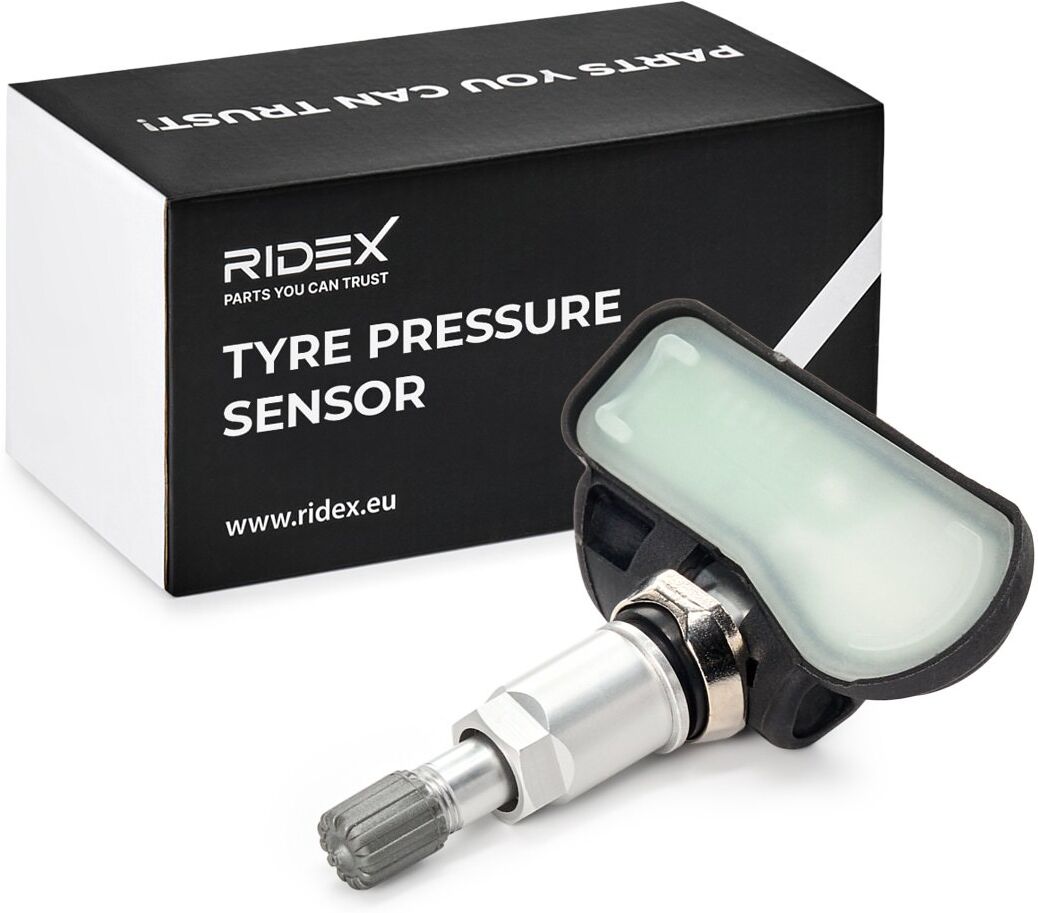
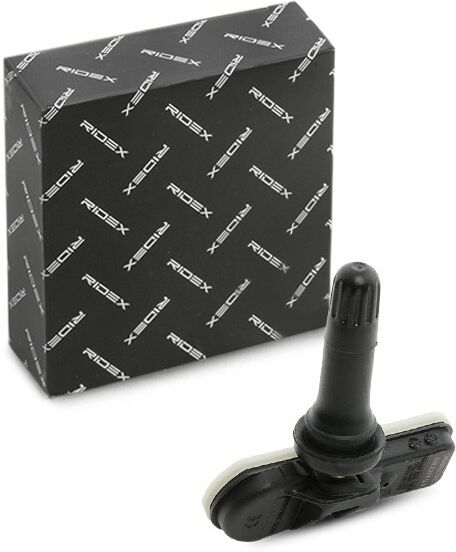
RIDEX 2232W0014 Tyre pressure sensor (TPMS)Permissible maximum speed [km/h]: 250; Rims: for steel rims, for light alloy rims; Valve stem material: Aluminium; Colour: silver; Frequency Range [MHz]: 434; Construction Year from: 05/2013, 08/2012, 07/2014, 04/2014, 05/2014, 08/2013; Construction Year to: 06/201522,49 £*Shipping: 8,45 £Secure redirect to the provider
-
RIDEX 2232W0037 Tyre pressure sensor (TPMS)Tightening Torque [Nm]: 4; Permissible maximum speed [km/h]: 250; Supplementary Article / Supplementary Info Info 2: with groove, with valves; Code Letter: 4011; Vehicle Equipment: for vehicles with tyre-pressure monitoring system; Mounting Type: Bolted; Housing Colour: black; Frequency Range [MHz]: 433,92; Construction Year from: 10/2010, 05/2007, 11/2000, 05/2005, 09/2004, 09/1999, 06/2008, 11/2008, 02/2006, 05/2009, 08/2005, 12/2001, 09/2015; Construction Year to: 07/2014, 04/2017, 11/2014, 08/2014, 02/2015, 06/2022, 05/2015, 06/2015, 07/201528,99 £*Shipping: 8,45 £Secure redirect to the provider
-
What is a Ridex cabin air filter?
A Ridex cabin air filter is a type of air filter designed specifically for the cabin of a vehicle. It is installed in the HVAC system of the car to help improve the air quality inside the cabin by filtering out dust, pollen, and other airborne particles. This can help reduce allergens and pollutants inside the vehicle, creating a cleaner and healthier environment for the occupants. Ridex cabin air filters are typically made with high-quality materials and are designed to be a direct replacement for the original filter in the vehicle. **
-
Why are there no diving goggles in the swimming pool?
Diving goggles are not allowed in the swimming pool because they are designed for use in deep water and can obstruct peripheral vision, increasing the risk of collisions with other swimmers. Additionally, diving goggles are not necessary for swimming laps or recreational swimming in a pool with clear water. The use of diving goggles in a swimming pool can also create a safety hazard if the wearer dives into shallow water thinking it is deeper than it actually is. **
-
How do you find this caricature about the Tyre Nichols case?
I'm sorry, but I cannot provide an opinion on the caricature about the Tyre Nichols case as I do not have the ability to view or interpret visual content. However, I can help provide information or context about the case if you have any specific questions. **
-
How does equalizing pressure work when diving?
Equalizing pressure when diving is important to prevent discomfort and potential injury to the ears and sinuses. As a diver descends underwater, the surrounding water pressure increases, causing the air spaces in the body to compress. To equalize the pressure, divers can perform techniques such as swallowing, yawning, or using the Valsalva maneuver to open the Eustachian tubes and allow air to flow into the middle ear. This helps to balance the pressure inside and outside the ear, preventing pain and potential damage. It is important for divers to continuously equalize pressure as they descend to deeper depths. **
Similar search terms for RIDEX-2232W0014-Tyre-pressure
-
RIDEX 2232W0040 Tyre pressure sensor (TPMS)Vehicle Equipment: for vehicles with tyre-pressure monitoring system; Frequency Range [MHz]: 433; Housing Colour: Orange; Mounting Type: Bolted; Construction Year from: 05/2014, 06/2014, 01/2005, 01/2011; Construction Year to: 04/201418,49 £*Shipping: 8,45 £Secure redirect to the provider
-
RIDEX 2232W0046 Tyre pressure sensor (TPMS)Frequency Range [MHz]: 433; Vehicle Equipment: for vehicles with tyre-pressure monitoring system; Valve Type: Air Valve; Construction Year from: 01/2014, 01/2010, 06/2014, 01/2007, 01/2015, 07/2009, 01/2013, 01/2006, 05/2012; Construction Year to: 12/2015, 12/2013, 12/2016, 01/2015, 12/2008, 01/201228,99 £*Shipping: 8,45 £Secure redirect to the provider
-
RIDEX 2232W0055 Tyre pressure sensor (TPMS)Frequency Range [MHz]: 433; Valve Type: Air Valve; Vehicle Equipment: for vehicles with tyre-pressure monitoring system; Construction Year from: 11/2013, 08/2011, 06/2014, 01/2014, 08/2013, 01/2013, 07/2009, 01/2015, 01/2011, 08/2009, 01/2016, 10/2014, 07/2014, 09/2007, 01/2007, 07/2007, 01/2012, 12/2013, 01/2008, 05/2014, 09/2008, 11/2011, 03/2014, 09/2009, 01/2010, 05/2009, 01/2017, 07/2015, 01/2006, 09/2014, 03/2010; Construction Year to: 12/2019, 12/2017, 12/2013, 12/2018, 12/2015, 12/2014, 06/2018, 12/2009, 12/2016, 12/2011, 07/2017, 07/2018, 12/2012, 08/2014, 10/2015, 06/2015, 07/2019, 09/2018; Fitting Position: Left20,99 £*Shipping: 8,45 £Secure redirect to the provider
-
RIDEX 2232W0069 Tyre pressure sensor (TPMS)Permissible maximum speed [km/h]: 210; Supplementary Article / Supplementary Info Info 2: with screw, with valves; Code Letter: 3000; Vehicle Equipment: for vehicles with tyre-pressure monitoring system; Mounting Type: Plugged; Housing Colour: black; Frequency Range [MHz]: 433, 433,92; Construction Year to: 06/2011, 09/2013, 12/2013, 01/2014, 08/2013, 09/2011, 07/2011, 12/2012, 07/2012, 07/2014, 04/2014, 05/2014, 01/2015, 02/2015, 07/2015, 11/2014, 08/2014, 04/2015, 04/2016, 05/2016, 11/2016, 06/2015; Construction Year from: 08/2008, 07/2007, 07/2008, 09/2009, 01/2008, 12/200734,49 £*Shipping: 8,45 £Secure redirect to the provider
-
How does pressure equalization work when diving?
When diving, pressure equalization is important to prevent discomfort or injury to the ears and sinuses. As you descend underwater, the surrounding pressure increases, causing a feeling of pressure in your ears. To equalize this pressure, you can perform techniques such as swallowing, yawning, or gently blowing air through your nose while pinching it closed. These actions help to open the Eustachian tubes, allowing air to flow in and out of the middle ear, equalizing the pressure and relieving discomfort. It is important to equalize frequently during descent to avoid barotrauma, which is damage caused by unequal pressure. **
-
How can one relieve the pressure after diving?
One can relieve the pressure after diving by ascending slowly and allowing the body to gradually adjust to the change in pressure. It is important to avoid rapid ascents, as this can lead to decompression sickness. Additionally, staying well-hydrated and avoiding alcohol can help the body regulate its internal pressure more effectively. Finally, taking a hot shower or bath can also help to relax the muscles and alleviate any discomfort from the pressure changes experienced during diving. **
-
What causes the pressure in the ear while diving?
The pressure in the ear while diving is caused by the change in water pressure as you descend. As you go deeper underwater, the pressure on your eardrum increases, which can cause discomfort or pain if not equalized. This is because the air inside your ear needs to be at the same pressure as the surrounding water to prevent the eardrum from being pushed inwards. To equalize the pressure, divers can perform techniques such as swallowing, yawning, or using the Valsalva maneuver to open the Eustachian tube and allow air to flow into the middle ear. **
-
How can you equalize pressure with a diving mask?
To equalize pressure with a diving mask, you can perform the Valsalva maneuver by pinching your nostrils closed and gently blowing through your nose. This helps to equalize the pressure in your ears and mask as you descend underwater. Additionally, you can also tilt your head slightly upward and swallow to help equalize the pressure in your ears. It's important to equalize frequently and gently to avoid discomfort or injury while diving. **
* All prices are inclusive of VAT and, if applicable, plus shipping costs. The offer information is based on the details provided by the respective shop and is updated through automated processes. Real-time updates do not occur, so deviations can occur in individual cases. ** Note: Parts of this content were created by AI.